What Causes an Engine Ticking Noise?
Engine ticking usually occurs when moving components develop excessive clearance or are not receiving proper lubrication. Although some engines naturally produce light ticking from the fuel injectors, louder or changing ticking noises often indicate mechanical wear or maintenance issues.
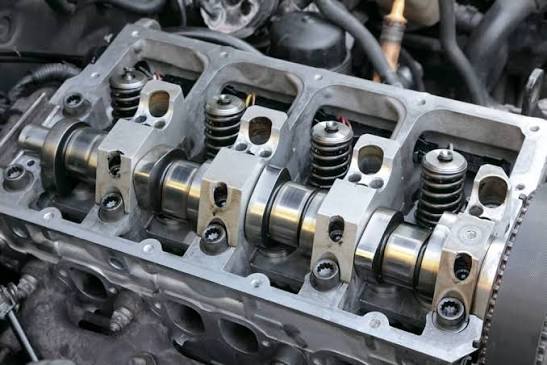
Common causes include low engine oil, worn hydraulic lifters, rocker arms, valve lash problems, exhaust manifold leaks, timing components, or internal engine wear.
When Do You Hear the Ticking?
Select When the Ticking Occurs
Choose the condition that best matches your vehicle.
Select one of the ticking conditions above.
Components That Commonly Produce Ticking Noises
Low Engine Oil
Low oil level or degraded oil reduces lubrication and commonly causes ticking from the valve train.
Hydraulic Lifters
Worn or sticking lifters often produce rhythmic ticking, especially during startup.
Rocker Arms & Valve Train
Excessive valve clearance or worn rocker arms may create persistent engine ticking.
Fuel Injectors
Many modern injectors naturally produce a light rhythmic ticking during normal operation.
Exhaust Manifold Leak
Small exhaust leaks often sound like rapid engine ticking, especially during cold starts.
Timing Components
Timing chain guides, tensioners, or related components may create ticking as they wear.
Piston Slap
Some engines produce temporary ticking or light knocking while cold due to piston clearance.
Internal Engine Wear
Advanced bearing or valve train wear may create louder ticking that worsens over time.
Incorrect Engine Oil
Using the wrong oil viscosity may affect lubrication and create additional valve train noise.
Accessory Components
Belt-driven accessories and pulleys may occasionally produce ticking that resembles engine noise.
When the Noise Occurs Helps Narrow the Diagnosis
Ticking During Startup
Often associated with hydraulic lifters, oil circulation delays, or timing system components.
Ticking While Accelerating
May indicate valve train wear, exhaust manifold leaks, or engine detonation under load.
Constant Engine Ticking
Persistent ticking usually requires professional inspection to determine whether engine repairs are needed.
Different Noises Often Point to Different Problems
Ticking Noise
Ticking is usually caused by valve train components, hydraulic lifters, injectors, exhaust leaks, or low engine oil. It is generally lighter and faster than a knock.
Knocking Noise
Knocking is typically deeper and louder than ticking and may indicate rod bearings, engine detonation, motor mounts, or suspension components.
Clicking Noise
Clicking commonly originates from CV joints, brake hardware, suspension components, starter systems, or certain engine accessories.
Some Engine Ticking Requires Immediate Attention
Normal Injector Tick
Many modern fuel injectors naturally produce a light rhythmic ticking during operation. This is considered normal.
Ticking From Low Oil
Low engine oil or insufficient oil pressure can quickly damage engine components. Check the oil level immediately and avoid extended driving.
Loud Persistent Ticking
Continuous or worsening ticking may indicate valve train, timing, or internal engine wear that should be professionally diagnosed as soon as possible.
How We Diagnose Engine Ticking
Noise Verification
We determine when the ticking occurs—cold start, idle, acceleration, or warm engine operation.
Oil System Inspection
Engine oil level, condition, viscosity, oil pressure, and maintenance history are evaluated.
Valve Train Inspection
Hydraulic lifters, rocker arms, camshaft components, and valve train operation are inspected for abnormal wear.
Exhaust Inspection
Exhaust manifolds, gaskets, and related components are checked for leaks that may resemble engine ticking.
Computer Diagnostics
Engine control systems are scanned for fault codes that may indicate ignition timing, lubrication, or performance issues.
Repair Verification
After repairs are completed, we verify proper engine operation and confirm the ticking has been eliminated.