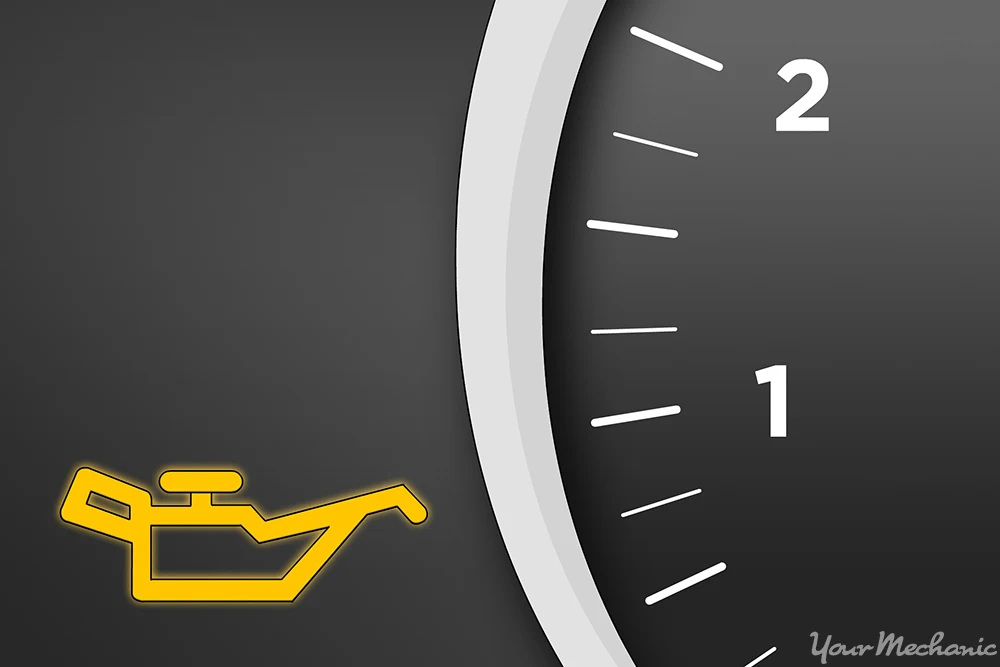
Why Is My Oil Pressure Light On?
Your engine depends on pressurized motor oil to lubricate bearings, camshafts, pistons, timing components, and other moving parts. The oil pump circulates oil through internal passages so metal components remain separated and protected from excessive heat and friction.
The oil pressure warning light turns on when the vehicle detects oil pressure below its expected range. This may be caused by an actual loss of pressure or by a faulty sensor, switch, wiring circuit, or instrument-cluster signal.
It is important to distinguish the red oil pressure warning light from an oil-change reminder. An oil-change message indicates that routine maintenance is due. A red oil pressure light may indicate an immediate lubrication failure capable of damaging the engine.
What Should You Do When the Oil Pressure Light Comes On?
Select Your Oil-Light Condition
Choose the condition that most closely matches your vehicle.
Select one of the oil-pressure-light conditions above.
What Usually Causes the Oil Pressure Warning Light?
Low Engine Oil
An insufficient oil level may prevent the oil pump from maintaining consistent pressure throughout the engine.
Engine Oil Leak
Leaks from seals, gaskets, filters, drain plugs, oil pans, or engine components may gradually or suddenly reduce the oil level.
Failing Oil Pump
A worn or damaged oil pump may not circulate enough oil to maintain proper pressure.
Faulty Oil Pressure Sensor
A defective pressure sensor or switch may send an incorrect low-pressure signal even when mechanical oil pressure is acceptable.
Clogged Oil Filter
A restricted, collapsed, incorrect, or damaged oil filter may interfere with normal oil circulation.
Clogged Oil Pickup Screen
Sludge, sealant, debris, or carbon deposits may restrict the pickup tube that supplies oil to the pump.
Incorrect Oil Viscosity
Oil that is too thin, too thick, diluted, or unsuitable for the engine may affect pressure and lubrication performance.
Internal Engine Wear
Excessive clearance in crankshaft, connecting-rod, or camshaft bearings may allow oil pressure to escape internally.
Oil Pump Pressure-Regulator Fault
A pressure-relief valve that sticks open may prevent the lubrication system from building adequate pressure.
Sensor Wiring Problem
Damaged wiring, loose connectors, corrosion, or an electrical short may activate the warning light incorrectly.
Engine Sludge
Heavy sludge buildup can restrict oil passages, block the oil pickup, and interfere with lubrication throughout the engine.
Excessive Engine Temperature
Overheating may thin the engine oil and reduce pressure, especially when internal engine components are already worn.
When the Light Appears Can Help Identify the Cause
Light Stays On Continuously
A steady warning may indicate critically low oil, severe pressure loss, oil-pump failure, a major restriction, internal engine wear, or a sensor-circuit problem.
Light Flickers at Hot Idle
Oil that is hot and thin, low idle speed, pump wear, bearing clearance, or a failing pressure sensor may cause the light to flicker when the engine is warm.
Light Appears During Turns
A low oil level may allow oil to move away from the pickup tube during cornering, braking, or acceleration, temporarily interrupting oil supply.
Understanding Similar Dashboard Warnings
Oil Pressure Light
Indicates that engine oil pressure has dropped below the safe operating range. This warning should always be treated as an emergency until the cause is confirmed.
Oil Change Reminder
A maintenance reminder simply indicates that scheduled oil service is due. It does not necessarily indicate a lubrication failure or low oil pressure.
Check Engine Light
The Check Engine Light indicates the engine computer has detected an emissions or performance-related fault. It is separate from the engine lubrication system.
Driving With Low Oil Pressure Can Destroy an Engine
Stop Immediately
If the red oil pressure warning light remains illuminated while the engine is running, safely pull over and shut the engine off as soon as possible.
Check the Oil Level
Verify the oil level using the dipstick if it is safe to do so. Low oil may be the cause, but a normal oil level does not rule out an oil-pressure problem.
Avoid Restarting the Engine
Continuing to run an engine with insufficient oil pressure can quickly damage bearings, camshafts, pistons, crankshafts, and other expensive internal engine components.
How We Diagnose Oil Pressure Problems
Oil Level Inspection
We verify the oil level, inspect its condition, confirm the correct viscosity, and look for signs of contamination or fuel dilution.
Mechanical Oil Pressure Test
A calibrated mechanical pressure gauge is installed to verify actual engine oil pressure and compare it with factory specifications.
Leak Inspection
The engine is inspected for external oil leaks around seals, gaskets, the oil pan, filter, drain plug, cooler lines, and other lubrication-system components.
Sensor & Electrical Testing
Oil-pressure sensors, switches, wiring, connectors, and control circuits are tested for proper operation.
Lubrication System Inspection
When necessary, the oil pump, pickup screen, pressure-relief valve, filter, and internal lubrication passages are inspected.
Repair Verification
Following repairs, oil pressure is verified at cold start, operating temperature, idle, and higher engine speeds.