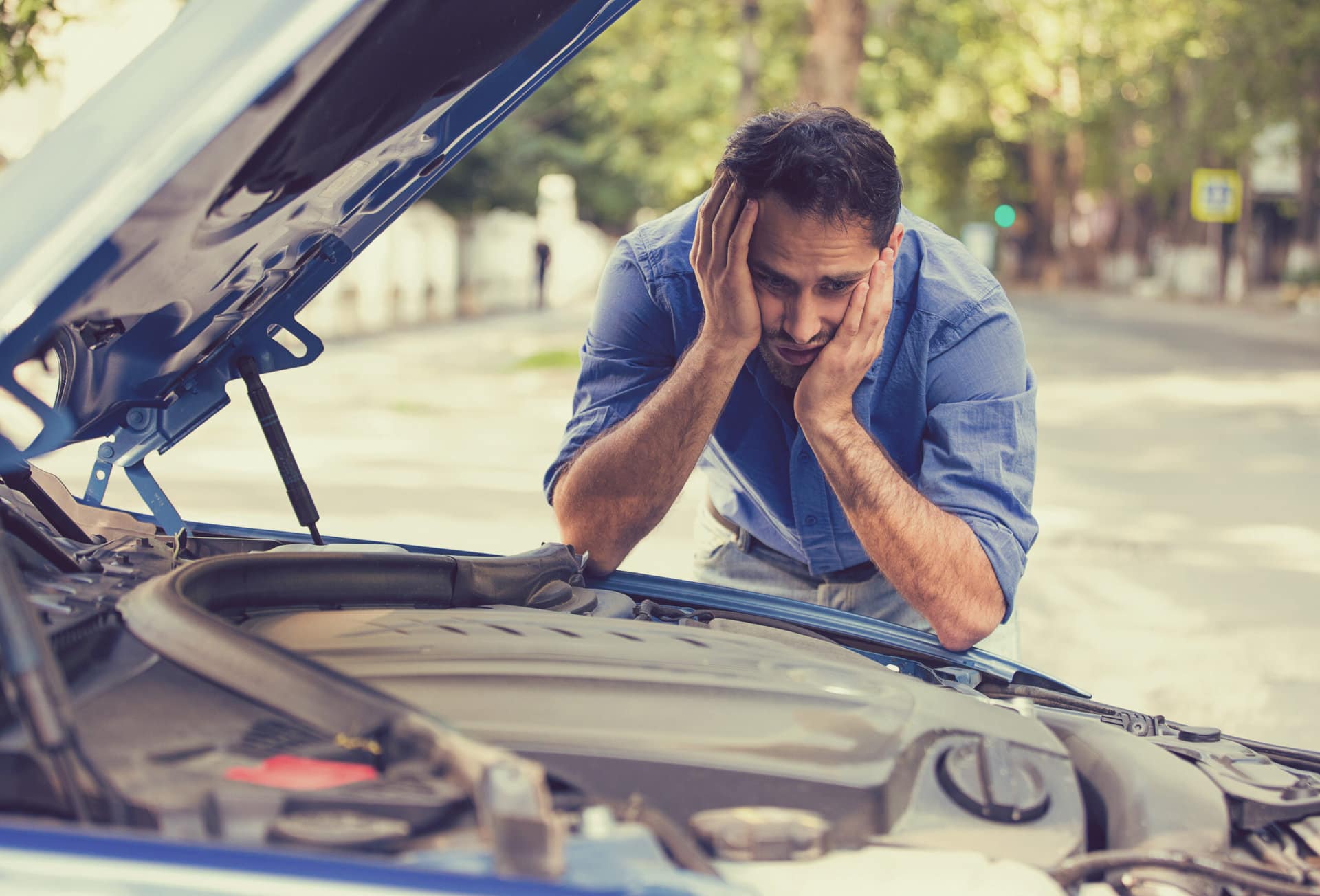
Why Won't My Car Start?
A modern vehicle relies on multiple systems working together before the engine can start. The battery supplies electrical power, the starter turns the engine, the alternator recharges the battery, the fuel pump delivers fuel, the ignition system creates spark, and the engine computer coordinates the entire process. Failure of any one of these systems may prevent your vehicle from starting.
Professional diagnostics help determine the actual cause before replacing parts. Many vehicles that "need a battery" actually have charging system issues, parasitic battery drains, failing starters, fuel delivery problems, or wiring faults.
What Happens When You Try To Start It?
Select Your Starting Problem
Choose the symptom that best matches your vehicle.
Select a symptom above.
Why Your Vehicle May Not Start
Dead or Weak Battery
The most common cause of a no-start condition. Batteries naturally wear out over time or may discharge after lights are left on or from a charging system problem.
Corroded Battery Terminals
Loose or corroded battery connections can prevent enough electrical current from reaching the starter.
Bad Starter Motor
If the battery tests good but the engine won't crank, the starter motor or starter solenoid may have failed.
Charging System Failure
A failing alternator may not recharge the battery while driving, leaving insufficient power for the next start.
Fuel Delivery Problems
A failed fuel pump, clogged fuel filter, faulty relay, or injector issue may allow the engine to crank without starting.
Ignition System Failure
Bad spark plugs, ignition coils, crankshaft sensors, camshaft sensors, or ignition modules can prevent combustion.
Security System Issues
Immobilizer systems or faulty key fobs can prevent the engine from starting even when mechanical systems are functioning.
Electrical Problems
Blown fuses, faulty relays, damaged wiring, poor grounds, or control module faults may interrupt the starting system.
Should You Continue Attempting to Start the Vehicle?
Safe to Try Again
If the battery is weak or the engine simply cranks slowly, one or two additional attempts are generally acceptable.
Stop Immediately
If you smell fuel, notice smoke, hear grinding noises, or repeated rapid clicking, continued attempts may create additional damage.
Call for Diagnosis
If the vehicle still will not start after basic checks, professional diagnostics are recommended.
How We Diagnose Starting Problems
Battery Test
Battery condition, voltage, cold-cranking amps and cable connections are evaluated.
Charging System Test
Alternator output and charging performance are verified.
Starter Circuit Testing
Starter current draw, relays, ignition switch, wiring and voltage drop are inspected.
Computer Diagnostics
Factory-level scan tools identify stored trouble codes and monitor live sensor data.
Fuel & Ignition Testing
Fuel pressure, injector pulse, ignition spark and timing signals are verified.
Repair Verification
After repairs, multiple successful starts are performed to confirm the issue has been resolved.