Why Is My Car Idling Rough?
When your vehicle is idling, the engine must maintain a stable speed while operating at very low RPM. The engine computer continuously adjusts fuel delivery, ignition timing, throttle position, and airflow to keep the engine running smoothly.
If one cylinder is not firing correctly, unmetered air enters the engine, fuel delivery becomes uneven, or the engine cannot maintain the correct airflow, the idle may become unstable. The vehicle may shake through the steering wheel, seat, dashboard, or floor while stopped.
Rough idle can also be caused by worn engine or transmission mounts. In that case, the engine may be running normally, but excessive vibration is transferred into the cabin because the mounts are no longer isolating engine movement.
When Does the Rough Idle Occur?
Select Your Rough Idle Symptom
Choose the condition that most closely matches your vehicle.
Select one of the symptoms above.
What Usually Causes a Rough Idle?
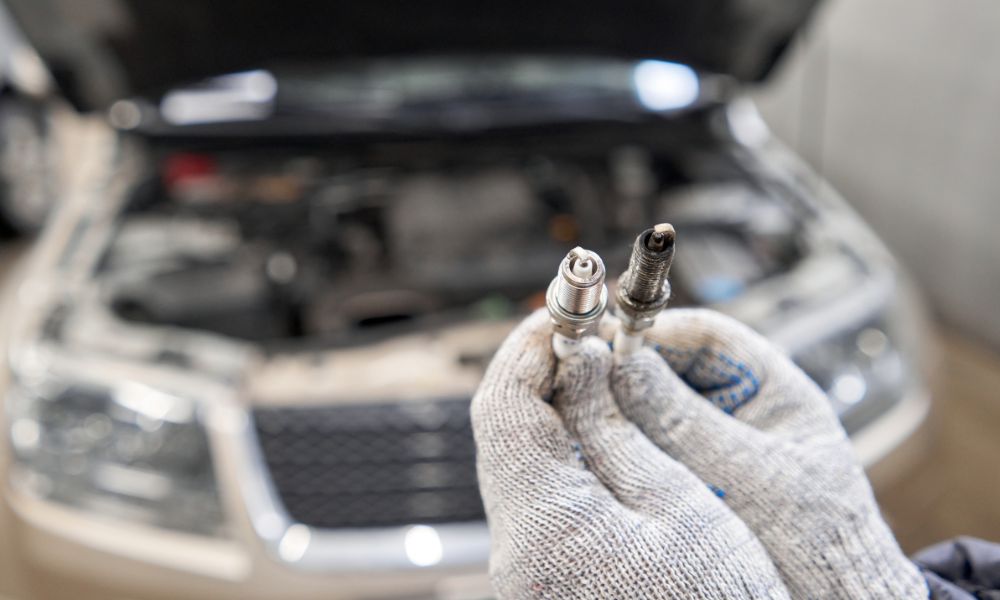
Worn Spark Plugs
Worn, fouled, or incorrectly gapped spark plugs may create weak combustion, cylinder misfires, shaking, and unstable idle speed.
Failing Ignition Coils
A weak ignition coil may not consistently fire its cylinder, especially during cold starts, acceleration, or high electrical demand.
Vacuum or Intake Leak
Cracked hoses, intake-gasket leaks, PCV-system faults, or loose air ducts can allow unmetered air into the engine and create a lean condition.
Dirty Throttle Body
Carbon buildup around the throttle plate may restrict airflow and make it difficult for the engine computer to maintain a stable idle.
Fuel-Injector Problems
Clogged, leaking, or electrically faulty injectors may create uneven fuel delivery and cause one or more cylinders to run poorly.
Mass Airflow or MAP Sensor Fault
Incorrect airflow or intake-pressure readings may cause the engine computer to calculate the wrong fuel mixture.
EVAP Purge-Valve Failure
A purge valve stuck open may allow excessive fuel vapor or unmetered airflow into the intake, causing rough idle and hard starting.
Worn Engine Mounts
Damaged engine or transmission mounts may transfer normal engine vibration into the steering wheel, seat, dashboard, and cabin.
Low Engine Compression
Burned valves, worn piston rings, head-gasket problems, or valve-timing faults may prevent a cylinder from producing adequate compression.
Fuel-Pressure Problems
A weak fuel pump, restricted fuel filter, pressure-regulator fault, or contaminated fuel may prevent the engine from receiving consistent fuel pressure.
Oxygen-Sensor or Fuel-Trim Problem
Incorrect oxygen-sensor feedback may cause the engine to run excessively rich or lean after reaching operating temperature.
Timing or Internal Engine Problems
A stretched timing chain, worn timing components, valve problems, or other internal engine concerns may create roughness and reduced performance.
When the Roughness Occurs Can Help Identify the Cause
Rough During Cold Start
Spark plugs, ignition coils, fuel injectors, coolant-temperature sensors, vacuum leaks, carbon buildup, and compression problems are common possibilities.
Rough While Stopped in Drive
Engine mounts, transmission mounts, low idle speed, engine misfires, throttle-body buildup, or additional load from the transmission may contribute.
Rough With the AC On
Compressor load may expose a weak engine mount, dirty throttle body, unstable idle control, charging-system issue, or underlying engine-performance problem.
Symptoms That May Accompany a Rough Idle
Check Engine Light
Engine misfires, fuel-mixture problems, sensor faults, EVAP concerns, and ignition failures may trigger diagnostic trouble codes.
Engine Stalling
Severe airflow, fuel-delivery, ignition, or idle-control problems may cause the engine to stall when stopping or shifting into gear.
Engine Hesitation
A rough idle combined with hesitation may point toward ignition weakness, fuel-delivery problems, throttle-body buildup, or sensor faults.
Poor Fuel Economy
Incomplete combustion, rich fuel mixtures, injector problems, or inaccurate sensor readings may increase fuel consumption.
Gas or Exhaust Smell
Unburned fuel, rich operation, misfires, EVAP faults, or exhaust leaks may produce unusual odors around the vehicle.
Loss of Engine Power
Ignition failures, fuel-pressure concerns, clogged injectors, timing problems, or low compression may reduce performance.
Rough Idle May Indicate Minor Maintenance or a Serious Engine Problem
Usually Safe
If the engine idles slightly rough but drives normally without warning lights or loss of power, you can usually drive a short distance while scheduling service.
Drive With Caution
If the Check Engine Light is on, fuel economy has decreased, or the engine hesitates during acceleration, the problem should be diagnosed soon to prevent additional damage.
Stop Driving Immediately
If the Check Engine Light is flashing, the engine is stalling, misfiring severely, or making loud mechanical noises, discontinue driving and have the vehicle inspected immediately.
How We Diagnose a Rough Idle
Computer Diagnostics
Professional scan tools identify trouble codes, fuel trims, misfire counts, sensor readings, and live engine data.
Ignition-System Inspection
Spark plugs, ignition coils, ignition wiring, and cylinder performance are inspected for proper operation.
Fuel-System Testing
Fuel pressure, injector performance, injector balance, and fuel delivery are evaluated.
Air-Intake Inspection
Vacuum leaks, intake ducting, throttle-body condition, the PCV system, and airflow sensors are inspected.
Mechanical Engine Testing
Compression testing, leak-down testing, timing verification, and engine-mount inspection help identify mechanical causes.
Road Test & Verification
After repairs, idle quality and engine performance are verified during stationary testing and a final road test.