Brake System Guide

Parking Brake Problems: Causes & Professional Diagnosis

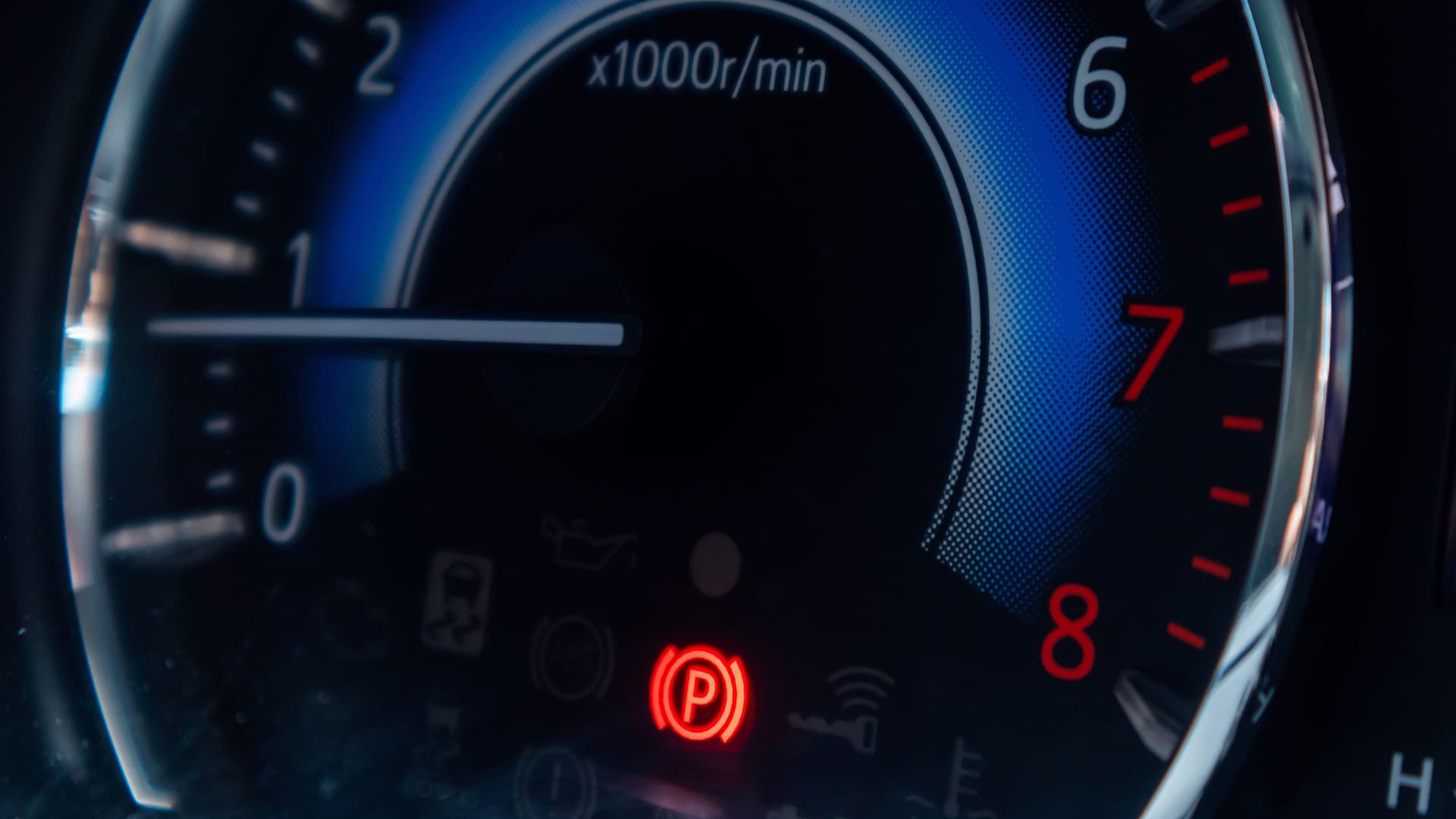
Your parking brake is designed to keep your vehicle securely in place when parked and serves as an important backup braking system. Whether your parking brake won't release, won't hold the vehicle, feels loose, or triggers a dashboard warning light, the problem should be inspected before it becomes a safety concern.

Parking brake problems may be caused by worn brake cables, seized rear brake components, improper adjustment, corrosion, electronic parking brake (EPB) faults, damaged actuators, or rear brake wear. Identifying the exact cause helps prevent unnecessary repairs and restores safe, reliable operation.

Call (301) 273-1555
✓ Mechanical & Electronic Parking Brake Service ✓ Rear Brake Inspection ✓ Same-Day Diagnostics Available
Parking brake diagnosis in Silver Spring MD
Parking Brake Diagnostics

What Causes Parking Brake Problems?

Parking brakes operate either through a traditional mechanical cable system or an electronic parking brake (EPB). Both designs require proper adjustment and functioning rear brake components to operate safely.

Problems may include a parking brake that won't release, won't engage, feels loose, sticks after parking, makes unusual noises, or displays a parking brake warning light. The specific symptoms help determine whether the issue is mechanical, hydraulic, or electronic.

Quick Symptom Check

Which Best Matches Your Vehicle?

Parking Brake Won't Release
Parking Brake Won't Hold
Parking Brake Warning Light
Electronic Parking Brake Fault
Loose Parking Brake Lever
Parking Brake Stuck
Grinding From Rear Brakes
Dragging Rear Brakes
Diagnostic Assistant

Select Your Parking Brake Problem

Choose the condition that most closely matches your vehicle.

Recommended diagnostic information will appear here.

Select one of the parking brake conditions above.

Most Common Causes

Why Is My Parking Brake Not Working Properly?

01

Stretched or Broken Brake Cable

Mechanical parking brake cables wear over time and may no longer apply enough force.

02

Seized Brake Cable

Rust and corrosion may prevent the cable from moving freely.

03

Rear Brake Wear

Worn rear brake shoes or pads reduce parking brake holding power.

04

Improper Adjustment

An improperly adjusted parking brake requires excessive lever travel or won't hold securely.

05

Electronic Parking Brake Actuator Failure

Electronic actuators may fail mechanically or electrically.

06

Parking Brake Switch Failure

Faulty switches may illuminate warning lights or prevent proper operation.

07

Frozen Rear Brake Components

Brake calipers, shoes, or hardware may seize after extended periods of non-use or corrosion.

08

EPB Control Module Fault

Electronic parking brake modules may store diagnostic trouble codes that require professional scanning.

09

Brake Caliper Problems

Rear calipers incorporating parking brake mechanisms may fail internally.

10

Corrosion & Road Salt Damage

Corrosion commonly affects parking brake cables, hardware, and rear brake assemblies in Maryland.

Different Symptoms Point to Different Problems

The Way Your Parking Brake Fails Helps Narrow the Diagnosis

Won't Release

Commonly caused by seized cables, frozen rear brake hardware, or electronic actuator problems.

Won't Hold Vehicle

Usually caused by worn rear brakes, stretched cables, or improper parking brake adjustment.

Warning Light On

Often indicates a parking brake switch fault, electronic parking brake malfunction, or another brake system issue.

Is It Safe to Drive?

Parking Brake Problems Should Be Diagnosed Promptly

Parking Brake Won't Hold

If your primary braking system operates normally, you may still drive the vehicle. However, avoid parking on hills until the parking brake has been repaired.

Parking Brake Won't Release

Driving with a partially applied parking brake can quickly overheat the rear brakes, damage brake components, and reduce fuel economy.

Brake Warning Light & Poor Braking

If a brake warning light is accompanied by poor braking performance or a soft brake pedal, stop driving immediately and have the vehicle inspected.

Immediate Warning Signs

Stop Driving and Seek Service If:

Parking Brake Won't Release
Rear Brakes Smoke
Burning Brake Smell
Brake Warning Light Appears
Soft Brake Pedal Develops
Grinding Rear Brakes
Vehicle Rolls While Parked
Electronic Parking Brake Failure Message
Our Diagnostic Process

How We Diagnose Parking Brake Problems

01

System Inspection

We determine whether your vehicle uses a mechanical cable parking brake or an electronic parking brake (EPB).

02

Rear Brake Inspection

Rear brake pads, shoes, rotors, drums, calipers, and hardware are inspected for wear and damage.

03

Cable & Linkage Inspection

Parking brake cables, adjustment mechanisms, pivots, and linkage are checked for stretching, corrosion, or seizure.

04

Electronic System Scan

On electronic parking brake systems, we scan for fault codes and test actuator operation.

05

Adjustment & Function Test

Proper adjustment and holding ability are verified after any repairs or component replacement.

06

Final Verification

We confirm proper engagement, release, and vehicle holding performance before returning the vehicle.

Why Choose Georgia Fuel & Treats

Complete Mechanical & Electronic Parking Brake Service

Whether your vehicle uses a traditional parking brake cable or a modern electronic parking brake system, our technicians inspect the complete rear braking system to accurately diagnose the problem and restore safe operation.

01

Mechanical & Electronic Expertise

We diagnose both conventional parking brake systems and electronic parking brake (EPB) systems.

02

Complete Rear Brake Inspection

Rear brakes, parking brake components, cables, actuators, and hardware are inspected together.

03

Verified Safe Operation

We verify proper engagement, release, and holding performance before returning your vehicle.

Parking Brake FAQ

Frequently Asked Questions

Why won't my parking brake release?

Common causes include seized brake cables, frozen rear brake components, corrosion, or electronic parking brake actuator failures.

Why doesn't my parking brake hold my vehicle?

Worn rear brakes, stretched cables, or improper parking brake adjustment are the most common causes.

Can I drive if my parking brake is stuck?

No. Driving with a partially applied parking brake can overheat the rear brakes and cause expensive damage.

What causes an electronic parking brake malfunction?

Electronic parking brake systems may fail because of actuator problems, wiring faults, control module issues, or sensor failures.

Can cold weather cause parking brake problems?

Yes. Moisture and freezing temperatures can cause parking brake cables or rear brake components to stick.

Can worn rear brakes affect the parking brake?

Yes. As rear brake pads or shoes wear, parking brake performance may decrease significantly.

Why is my parking brake warning light on?

The warning light may indicate a parking brake switch problem, electronic parking brake fault, or another brake system issue.

How do you diagnose parking brake problems?

We inspect rear brakes, parking brake cables, adjustment mechanisms, electronic parking brake components, actuators, and perform a complete function test.

Restore Safe Parking Brake Operation

Schedule Your Parking Brake Inspection Today

Whether your parking brake won't release, won't hold, or displays a warning message, our technicians can accurately diagnose the problem and restore reliable operation.