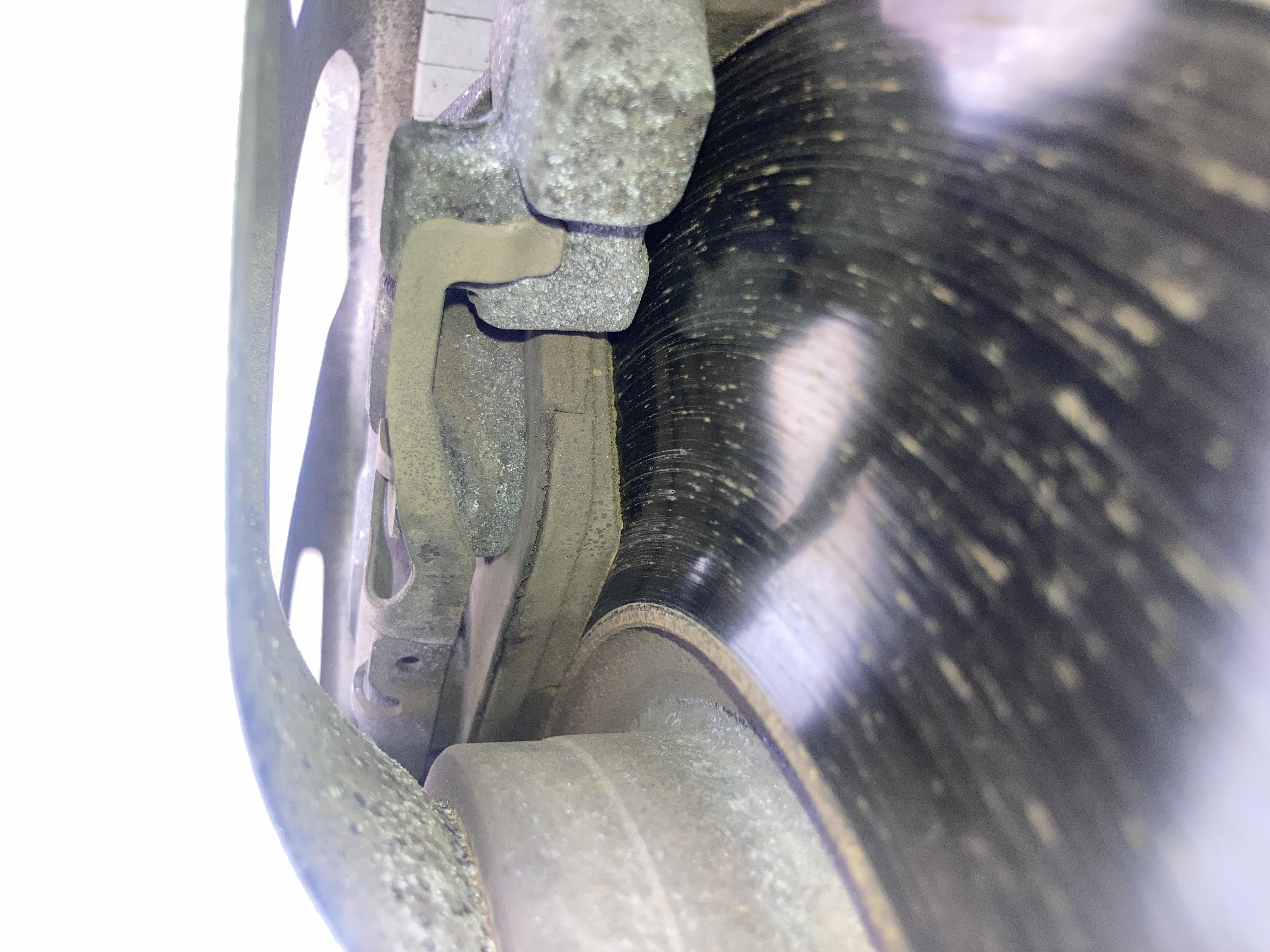
What Causes Brake Squeal?
Brake squeal is typically caused by vibration between the brake pad and rotor. Most modern brake pads include a built-in wear indicator that produces a high-pitched squeal when the pad material becomes low.
In other cases, squealing may be caused by environmental conditions, brake dust buildup, or minor surface rust. Identifying the difference between normal and abnormal squealing is key to preventing further brake wear.
Which Best Matches Your Vehicle?
Select the Brake Noise
Choose the condition that best matches your vehicle.
Select one of the brake conditions above.
Why Your Brakes Are Squealing
Worn Brake Pads
Wear indicators create a squeal when pads are low.
Moisture or Rust
Surface rust after sitting can cause temporary squealing.
Brake Dust Buildup
Dust accumulation can create vibration and noise.
Glazed Brake Pads
Overheated pads may harden and squeal during use.
Low-Quality Pads
Some materials naturally produce more noise.
Missing Hardware or Shims
Improper installation can lead to vibration and squeal.
The Timing Helps Identify the Cause
Morning or After Rain
Usually caused by moisture or surface rust and may disappear after driving.
While Braking
Often caused by worn brake pads or vibration between pad and rotor.
Constant Squealing
May indicate worn pads, missing hardware, or ongoing brake issues.
Brake Squeal Should Never Be Ignored
Occasional Morning Squeal
Light squealing after the vehicle has been sitting overnight is often caused by moisture or light surface rust and usually disappears after a few stops.
Frequent Squealing
Continuous squealing while braking often indicates worn brake pads or brake hardware issues. The system should be inspected before additional wear occurs.
Squealing With Grinding
If squealing progresses to grinding or braking performance decreases, stop driving and have the vehicle inspected immediately.
Schedule Service Immediately If:
How We Diagnose Brake Squeal
Road Test
We verify when the squeal occurs and determine whether it is affected by temperature, speed, or braking pressure.
Brake Pad Inspection
Pad thickness is measured and wear indicators are checked for contact with the rotor.
Rotor Evaluation
Rotors are inspected for glazing, scoring, heat spots, rust, and uneven wear.
Hardware Inspection
Shims, anti-rattle clips, slide pins, and caliper hardware are inspected for wear, damage, or improper installation.
Caliper Inspection
Brake calipers are checked for sticking pistons, seized slide pins, and uneven pad wear.
Repair Verification
After repairs are completed, the brakes are road tested to verify the squealing has been eliminated.