What Causes Wheel Bearing Noise?
Wheel-bearing noise develops when the bearing's internal rollers, races, seals, or lubricated surfaces become worn or damaged. As the wheel rotates, those damaged surfaces may produce a steady hum, rumble, growl, scrape, or grinding sound.
The noise often becomes louder as vehicle speed increases. It may also change when turning because cornering transfers more vehicle weight onto one side of the suspension. However, tire noise, differential problems, brake contact, CV joints, and damaged wheels can produce similar symptoms, making professional diagnosis important.
Which Symptoms Match Your Vehicle?
Select the Noise or Driving Condition
Choose the symptom that most closely matches what you hear or feel.
Select one of the wheel-bearing symptoms above.
Why Do Wheel Bearings Become Noisy?
Normal Bearing Wear
Bearings gradually wear as mileage accumulates, eventually creating rough internal surfaces and increased operating noise.
Pothole or Curb Impact
A strong impact can damage the bearing, hub, wheel, tire, or steering knuckle and cause noise to develop soon afterward.
Water or Contaminant Intrusion
A damaged seal may allow water, dirt, or road debris into the bearing and contaminate its lubricant.
Loss of Lubrication
Insufficient or degraded lubrication increases friction, temperature, and wear inside the bearing assembly.
Improper Installation
Incorrect pressing procedures, impact-tool misuse, or improper axle-nut torque may damage a new bearing or shorten its life.
Damaged Wheel Hub
Hub damage, excessive runout, corrosion, or a damaged mounting surface can affect bearing operation and wheel stability.
Oversized Wheels or Tires
Wheels and tires that significantly alter factory load and offset may place additional stress on wheel bearings.
Suspension or Alignment Problems
Worn suspension components or severe alignment problems can create abnormal forces that contribute to wheel and hub wear.
Axle or CV Joint Problems
A damaged axle or CV joint can create vibration and noise that may be mistaken for a failing wheel bearing.
Brake or Tire Noise
Uneven tire tread, dragging brakes, damaged rotors, or loose brake shields may closely imitate wheel-bearing noise.
Different Sounds May Indicate Different Stages or Causes
Humming or Droning
Early wheel-bearing wear may create a steady hum that becomes louder with speed. Tire tread noise can sound very similar.
Growling or Rumbling
A deeper growl or rumble may indicate increased internal bearing damage, especially when the sound changes during turns.
Grinding or Scraping
Grinding can indicate advanced bearing or hub damage, but brake contact and damaged shields must also be ruled out.
A Noisy Wheel Bearing Should Never Be Ignored
Mild Humming Noise
Early bearing wear may allow limited driving, but the vehicle should be inspected as soon as possible before additional damage develops.
Growing Noise or Vibration
As the bearing wears, vibration, tire wear, steering looseness, and hub damage can occur. Continued driving may increase repair costs.
Grinding or Excessive Wheel Play
Stop driving immediately if the wheel has excessive looseness, loud grinding, smoke, or severe vibration. A failed wheel bearing can affect vehicle control.
Stop Driving and Seek Service If:
How We Diagnose Wheel Bearing Noise
Road Test
We determine when the noise occurs, whether it changes with speed or turns, and which corner of the vehicle is most likely producing the sound.
Wheel & Tire Inspection
Tires, tread patterns, wheel balance, wheel condition, and tire defects are inspected to eliminate other possible causes.
Wheel Bearing Play Check
Each wheel is checked for looseness, rough rotation, bearing play, and hub movement that indicate internal wear.
Brake & Hub Inspection
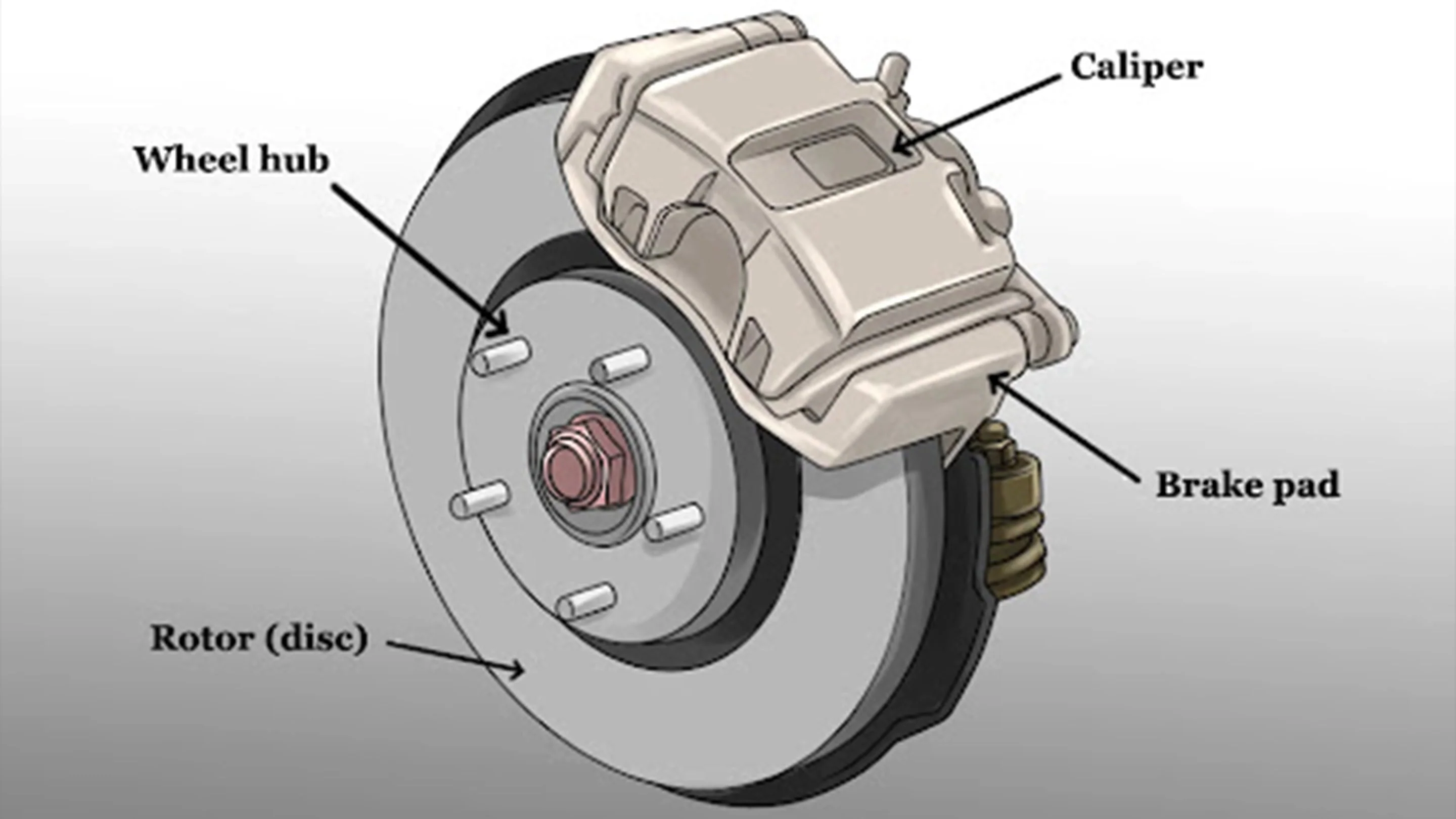
Brake rotors, calipers, dust shields, wheel hubs, and related hardware are inspected for contact or damage that may mimic bearing noise.
Steering & Suspension Inspection
Wheel bearings are evaluated alongside tie rods, ball joints, control arms, bushings, shocks, and struts to identify related wear.
Repair Verification
Following repairs, the vehicle is road tested again to verify the noise has been eliminated and handling has been restored.