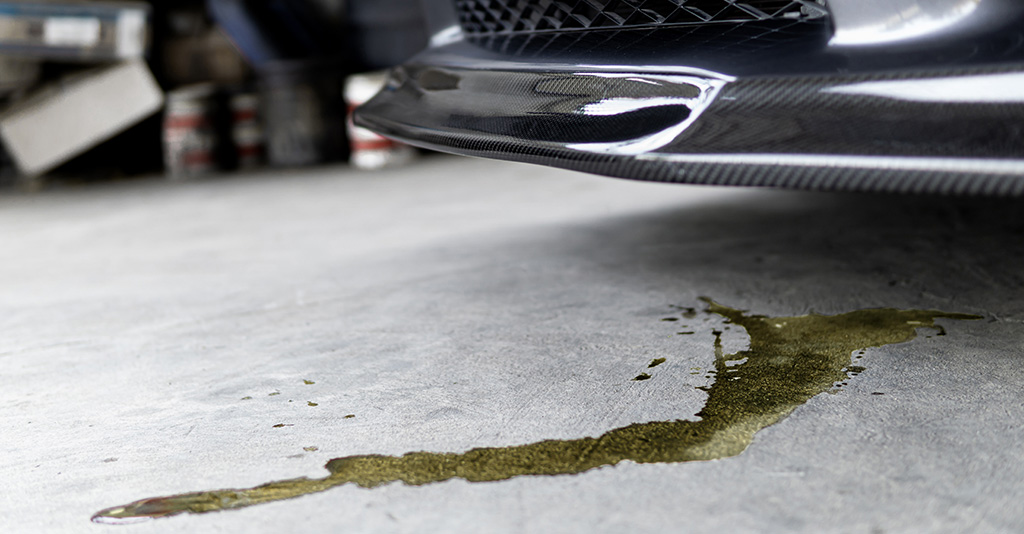
What Causes a Brake Fluid Leak?
Brake fluid leaks usually develop when seals wear out, brake lines corrode, flexible hoses crack, or hydraulic components fail. Even a slow leak reduces hydraulic pressure and should never be ignored.
Since brake fluid is responsible for transmitting braking force throughout the hydraulic system, a significant leak can quickly become a major safety concern.
Which Symptoms Match Your Vehicle?
Select the Symptom That Best Matches Your Vehicle
Choose the condition that best matches your braking concern.
Select one of the brake system symptoms above.
Components That Commonly Leak Brake Fluid
Brake Line Corrosion
Rusted or damaged steel brake lines can eventually develop small holes that leak hydraulic fluid.
Flexible Brake Hoses
Rubber brake hoses may crack, split, or deteriorate with age, allowing fluid to escape under pressure.
Brake Caliper Seals
Worn caliper piston seals can leak brake fluid around the caliper near the wheel.
Wheel Cylinders
Drum brake wheel cylinders commonly develop leaks as internal seals wear with age.
Master Cylinder
A leaking master cylinder can reduce hydraulic pressure throughout the entire braking system.
ABS Hydraulic Control Unit
Some leaks originate from the ABS hydraulic module or its connected brake lines.
Loose Bleeder Screws
Improperly tightened bleeder screws following brake service may slowly leak brake fluid.
Brake Line Fittings
Damaged flare fittings or loose hydraulic connections may allow brake fluid to seep under pressure.
Damaged Brake Components
Collision damage or road debris may puncture or crack hydraulic brake components.
Normal Seal Wear
Hydraulic seals naturally age over time and eventually lose their ability to contain brake fluid.
Leak Location Often Identifies the Failed Component
Near a Wheel
Usually points toward a brake caliper, wheel cylinder, brake hose, or bleeder screw leak.
Near Firewall
Often indicates a leaking master cylinder or brake booster area.
Along Vehicle Frame
Brake lines running underneath the vehicle may corrode and leak, especially in areas exposed to road salt.
Fluid Color, Location, and Symptoms Help Identify the Source
Brake Fluid Leak
Brake fluid is usually clear, pale yellow, or light amber when new and may become darker with age. Leaks commonly appear near a wheel, along a brake line, beneath the master cylinder, or near the ABS hydraulic unit.
Power Steering Fluid Leak
Power steering fluid may be clear, amber, red, or reddish-brown depending on the vehicle. A leak is often found near the front of the vehicle and may be accompanied by whining or difficulty turning the steering wheel.
Transmission Fluid Leak
Transmission fluid is commonly red, pink, or reddish-brown and usually appears beneath the front-center or middle of the vehicle. Low fluid may cause slipping, delayed engagement, or hard shifting.
A Suspected Brake Fluid Leak Is a Serious Safety Concern
Small Leak With Normal Pedal Feel
Even if the brake pedal still feels normal, the leak can worsen suddenly and reduce hydraulic pressure. The vehicle should be inspected before further driving.
Soft Pedal or Longer Stopping Distance
A soft pedal, delayed braking response, or increased stopping distance may indicate active pressure loss. Avoid driving and arrange immediate service.
Pedal Goes to the Floor
If the brake pedal sinks to the floor or the vehicle cannot stop normally, do not drive. Have the vehicle towed for emergency brake inspection.
Do Not Drive If:
How We Diagnose a Brake Fluid Leak
Brake Fluid Level Check
We inspect the master cylinder reservoir to determine whether the brake fluid level is low and evaluate the fluid's color and condition.
Pedal Feel Evaluation
Brake pedal firmness, travel, pressure retention, and response are checked for signs of hydraulic pressure loss.
Brake Line & Hose Inspection
Steel brake lines, flexible hoses, fittings, junctions, and connection points are inspected for corrosion, cracks, moisture, or active leakage.
Wheel-End Inspection
Brake calipers, wheel cylinders, bleeder screws, brake hoses, pads, shoes, rotors, and drums are checked for fluid contamination and leakage.
Master Cylinder & ABS Inspection
The master cylinder, ABS hydraulic control unit, brake booster area, and nearby connections are evaluated for internal or external leakage.
Bleeding & Repair Verification
After repairs, the hydraulic system is bled as needed, the fluid level is restored, and brake performance is verified before the vehicle is returned.