Dashboard Warning Guide

Why Is My Brake Warning Light On?

A brake warning light should never be ignored. Whether the light appears suddenly while driving or remains illuminated after starting your vehicle, it indicates that your braking system requires attention. Some causes are relatively minor, while others may reduce your vehicle's ability to stop safely.

The warning light may indicate low brake fluid, worn brake components, a hydraulic leak, parking brake issues, master cylinder problems, or an electronic brake system fault. A professional inspection helps determine the exact cause before the problem becomes a safety risk.

Call (301) 273-1555
✓ Brake System Inspection ✓ Brake Fluid Check ✓ ABS Diagnostics Available
Brake warning light diagnosis in Silver Spring MD
Brake System Diagnostics

What Does the Brake Warning Light Mean?

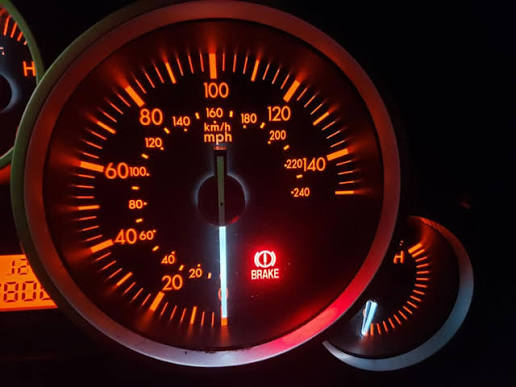
The brake warning light monitors several critical components of your braking system. Depending on the manufacturer, it may appear as the word "BRAKE," a red circle with an exclamation point, or another brake-related symbol on the dashboard.

While some warning lights simply indicate the parking brake is engaged, others warn of low brake fluid, hydraulic pressure loss, worn brake components, or faults within the braking system that require immediate attention.

Quick Symptom Check

Which Situation Best Matches Your Vehicle?

Brake Warning Light Stays On
Brake Light Came On While Driving
Brake & ABS Lights On Together
Low Brake Fluid
Parking Brake Released
Soft Brake Pedal
Brake Performance Changed
No Other Symptoms
Diagnostic Assistant

Select Your Brake Warning Condition

Choose the condition that most closely matches your vehicle.

Recommended diagnostic information will appear here.

Select one of the conditions above.

Most Common Causes

Why Is the Brake Warning Light On?

01

Low Brake Fluid

The most common cause. Low fluid may indicate worn brakes or a hydraulic leak.

02

Parking Brake Switch

A sticking parking brake switch can keep the warning light illuminated.

03

Brake Fluid Leak

Hydraulic leaks reduce braking pressure and require immediate inspection.

04

Worn Brake Pads

As pads wear, brake fluid level may gradually decrease enough to trigger the warning.

05

Master Cylinder Problem

A failing master cylinder may reduce hydraulic pressure.

06

ABS System Fault

If both brake and ABS lights appear together, electronic brake diagnostics are recommended.

07

Brake Pressure Sensor

Some vehicles monitor hydraulic pressure electronically.

08

Wheel Speed Sensor

Failed sensors may affect ABS and stability control operation.

09

Electrical Fault

Damaged wiring or faulty switches may trigger false warnings.

10

Hydraulic System Failure

Major brake system failures require immediate diagnosis before driving further.

The Warning Light Pattern Matters

Different Dashboard Warnings Mean Different Things

Brake Light Only

Often related to brake fluid level, parking brake position, or hydraulic brake problems.

Brake + ABS Lights

May indicate ABS faults, wheel speed sensor problems, or electronic brake system issues.

Brake Light With Soft Pedal

Frequently indicates hydraulic pressure loss requiring immediate inspection.

Is It Safe to Drive?

A Brake Warning Light Should Never Be Ignored

Brake Light Only

If braking performance feels completely normal, the vehicle may still be drivable for a short distance, but the brake system should be inspected as soon as possible to identify the cause.

Brake Light + No Performance Change

Low brake fluid, worn brake pads, or a parking brake switch may be responsible. Driving should be minimized until the system is inspected.

Brake Light + Soft Pedal or Poor Braking

Stop driving immediately. A hydraulic leak or brake system failure may significantly reduce stopping ability and create an unsafe driving condition.

Immediate Warning Signs

Stop Driving and Seek Service If:

Brake Pedal Feels Soft
Brake Fluid Is Leaking
Brake Warning & ABS Lights Stay On
Vehicle Pulls While Braking
Grinding Brakes Develop
Brake Fluid Reservoir Is Low
Stopping Distance Increases
Brake Warning Light Flashes
Our Diagnostic Process

How We Diagnose a Brake Warning Light

01

Computer Scan

Electronic brake control modules and ABS systems are scanned for diagnostic trouble codes.

02

Brake Fluid Inspection

Brake fluid level and condition are inspected to determine if fluid loss or contamination is present.

03

Hydraulic Leak Inspection

Brake lines, hoses, calipers, wheel cylinders, and fittings are inspected for fluid leaks.

04

Brake Component Inspection

Brake pads, rotors, calipers, parking brake components, and master cylinder operation are evaluated.

05

ABS & Sensor Testing

Wheel speed sensors, hydraulic control unit, and ABS operation are tested if necessary.

06

Road Test Verification

After repairs, we confirm the warning light remains off and the braking system performs safely under normal driving conditions.

Why Choose Georgia Fuel & Treats

Complete Brake System Diagnostics

A brake warning light can be triggered by simple maintenance needs or serious hydraulic failures. Our technicians inspect every major brake component to accurately diagnose the cause before recommending repairs.

01

Advanced Brake Diagnostics

We combine computer scanning with a complete physical brake system inspection.

02

Complete Hydraulic Inspection

Brake fluid, lines, calipers, master cylinder, ABS components, and sensors are inspected together.

03

Safe Braking Verification

Every repair is confirmed through testing to ensure the warning light remains off and braking performance is restored.

Brake Warning Light FAQ

Frequently Asked Questions

Why is my brake warning light on?

The most common causes are low brake fluid, worn brake pads, hydraulic leaks, parking brake switch problems, or ABS-related faults.

Can I drive with the brake warning light on?

If braking performance changes or the pedal feels soft, stop driving immediately. Even if the vehicle feels normal, the warning light should be diagnosed as soon as possible.

What's the difference between the brake warning light and ABS light?

The brake warning light typically indicates a hydraulic or brake system problem, while the ABS light indicates a fault within the anti-lock braking system.

Can low brake fluid turn on the brake warning light?

Yes. Low brake fluid is one of the most common reasons the brake warning light illuminates.

Can worn brake pads cause the brake warning light?

Yes. As brake pads wear, brake fluid levels may drop enough to trigger the warning light.

Why are both my ABS and brake lights on?

Both lights together often indicate an ABS fault, wheel speed sensor problem, hydraulic issue, or electronic brake control malfunction.

Can a parking brake switch cause the warning light?

Yes. A faulty parking brake switch may keep the brake warning light illuminated even when the parking brake is fully released.

How do you diagnose a brake warning light?

We perform a computer scan, inspect brake fluid, hydraulic components, brake pads, the master cylinder, ABS system, and road test the vehicle to determine the exact cause.

Don't Ignore Your Brake Warning Light

Schedule a Professional Brake Inspection Today

Whether the brake warning light just appeared or has been on for days, our technicians can identify the cause and restore safe braking performance.