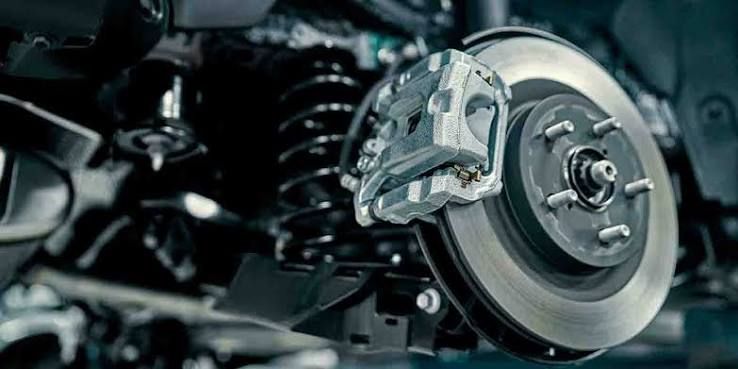
Brake Performance Guide

Why Does My Brake Pedal Pulsate?

A brake pedal that pulsates while slowing down usually indicates that one or more brake components are no longer operating smoothly. The pulsation may be felt through the brake pedal alone or accompanied by steering wheel vibration and vehicle shaking during braking.

The most common cause is brake rotor thickness variation, but worn brake components, sticking calipers, wheel hub issues, suspension problems, or even normal ABS activation may also create a pulsating sensation. A professional inspection can identify the exact cause and restore smooth, predictable braking.

Call (301) 273-1555
✓ Brake Inspection ✓ Rotor Evaluation ✓ Road Test Included
Brake pedal pulsation diagnosis in Silver Spring MD
Brake Diagnostics

What Causes a Brake Pedal to Pulsate?

Brake pedal pulsation occurs when braking forces are applied unevenly as the brake rotor rotates. Each time the high spot passes through the brake pads, the hydraulic pressure changes slightly, producing a pulse that is felt through the brake pedal.

Although many people describe this as "warped rotors," the problem is often caused by uneven rotor thickness, heat-related brake deposits, or rotor runout rather than the rotor physically bending.

Quick Symptom Check

Which Best Matches Your Vehicle?

Brake Pedal Pulsates
Steering Wheel Shakes While Braking
Vehicle Vibrates When Stopping
Only Happens at Highway Speeds
Pulsation During Hard Braking
Brake Pedal Feels Uneven
ABS Feels Different
Braking Performance Changed
Diagnostic Assistant

Select the Brake Condition

Choose the symptom that best matches your vehicle.

Recommended diagnostic information will appear here.

Select one of the brake conditions above.

Most Common Causes

Why Does the Brake Pedal Pulsate?

01

Brake Rotor Thickness Variation

The most common cause of brake pedal pulsation during normal braking.

02

Rotor Runout

Rotor runout may create uneven braking forces that can be felt through the pedal.

03

Brake Pad Material Deposits

Uneven friction deposits on the rotor surface may create a pulsating sensation.

04

Sticking Brake Caliper

A seized caliper may overheat the rotor and contribute to uneven wear.

05

Wheel Hub Problems

Damaged or corroded wheel hubs may affect rotor alignment.

06

Loose Suspension Components

Worn steering or suspension parts can amplify brake vibration.

07

Wheel Bearing Wear

Loose wheel bearings may contribute to brake pedal pulsation and steering vibration.

08

Improper Wheel Torque

Uneven lug nut torque can contribute to rotor runout after wheel installation.

09

Overheated Brakes

Repeated heavy braking can create uneven rotor wear and heat spots.

10

Normal ABS Operation

Rapid pedal pulsation during emergency braking on slippery roads is often normal ABS operation.

The Type of Pulsation Matters

Different Brake Conditions Feel Different

Brake Pedal Pulsates

Usually caused by rotor thickness variation or uneven braking surfaces.

ABS Pulsation

A rapid pedal vibration that occurs only during hard braking or slippery road conditions is typically normal ABS operation.

Steering Wheel Shakes

Front brake rotor variation or front suspension issues commonly create steering wheel movement while braking.

Is It Safe to Drive?

Brake Pedal Pulsation Should Always Be Investigated

Mild Pulsation

Light brake pedal pulsation may indicate early rotor thickness variation or minor brake deposits. While the vehicle may still stop safely, the brake system should be inspected before the condition worsens.

Moderate Pulsation & Steering Shake

If the brake pedal pulses together with steering wheel vibration, damaged rotors, wheel hubs, or suspension components should be inspected as soon as possible.

Severe Pulsation or Poor Braking

Stop driving immediately if braking performance decreases, grinding develops, warning lights appear, or the vehicle becomes difficult to control during braking.

Immediate Warning Signs

Stop Driving and Seek Service If:

Brake Warning Light Illuminates
Grinding Develops While Braking
Vehicle Pulls During Braking
Brake Pedal Becomes Soft
ABS Light Stays On
Stopping Distance Increases
Burning Smell From Brakes
Severe Steering Wheel Shake
Our Diagnostic Process

How We Diagnose Brake Pedal Pulsation

01

Road Test

We duplicate the symptom under controlled braking conditions and determine whether the vibration originates from the front, rear, steering wheel, or brake pedal.

02

Brake Rotor Measurement

Rotor thickness variation, runout, heat spots, scoring, and surface condition are carefully measured.

03

Brake Pad Inspection

Brake pads are checked for uneven wear, glazing, contamination, and improper contact with the rotor surface.

04

Caliper & Hardware Inspection

Calipers, slide pins, anti-rattle hardware, and mounting brackets are inspected for sticking or uneven operation.

05

Wheel Hub & Suspension Inspection

Wheel hubs, bearings, steering linkage, and suspension components are inspected to rule out additional sources of vibration.

06

Repair Verification

After repairs are completed, another road test confirms smooth, consistent braking without pedal pulsation.

Why Choose Georgia Fuel & Treats

Complete Brake Performance Diagnosis

Brake pedal pulsation isn't always caused by "warped rotors." We inspect the complete braking, wheel, steering, and suspension systems to accurately identify the root cause before recommending repairs.

01

Precision Rotor Measurements

We measure rotor thickness variation and runout instead of relying on visual inspection alone.

02

Complete Brake Inspection

Pads, rotors, calipers, hubs, bearings, and hardware are inspected together for an accurate diagnosis.

03

Verified Brake Performance

Every repair is confirmed with a final road test to ensure smooth, predictable braking.

Brake Pedal Pulsation FAQ

Frequently Asked Questions

Why does my brake pedal pulsate when I stop?

The most common causes are brake rotor thickness variation, rotor runout, brake pad deposits, sticking calipers, or wheel hub problems.

Does a pulsating brake pedal always mean warped rotors?

No. Many cases are caused by uneven rotor thickness or brake pad deposits rather than the rotor physically warping.

Is brake pedal pulsation dangerous?

Mild pulsation should be inspected soon. Severe pulsation combined with reduced braking, grinding, or pulling requires immediate service.

Can ABS cause brake pedal pulsation?

Yes. Normal ABS activation produces rapid pedal pulsation during emergency braking or low-traction conditions.

Can bad wheel bearings cause brake vibration?

Yes. Worn wheel bearings or damaged hubs can contribute to brake vibration and steering wheel shake.

Why does my steering wheel shake while braking?

Front brake rotor variation, wheel hub issues, worn suspension components, or steering wear commonly cause steering wheel shake during braking.

Can new brake rotors develop pulsation?

Yes. Improper installation, uneven wheel lug torque, overheating, or brake pad deposits may eventually create pulsation.

How do you diagnose brake pedal pulsation?

We perform a road test, measure rotor thickness and runout, inspect pads, calipers, hubs, bearings, steering, and suspension to identify the exact cause.

Restore Smooth, Confident Braking

Schedule Your Brake Inspection Today

If your brake pedal pulsates while stopping, our technicians can diagnose the exact cause and restore smooth, dependable braking performance.