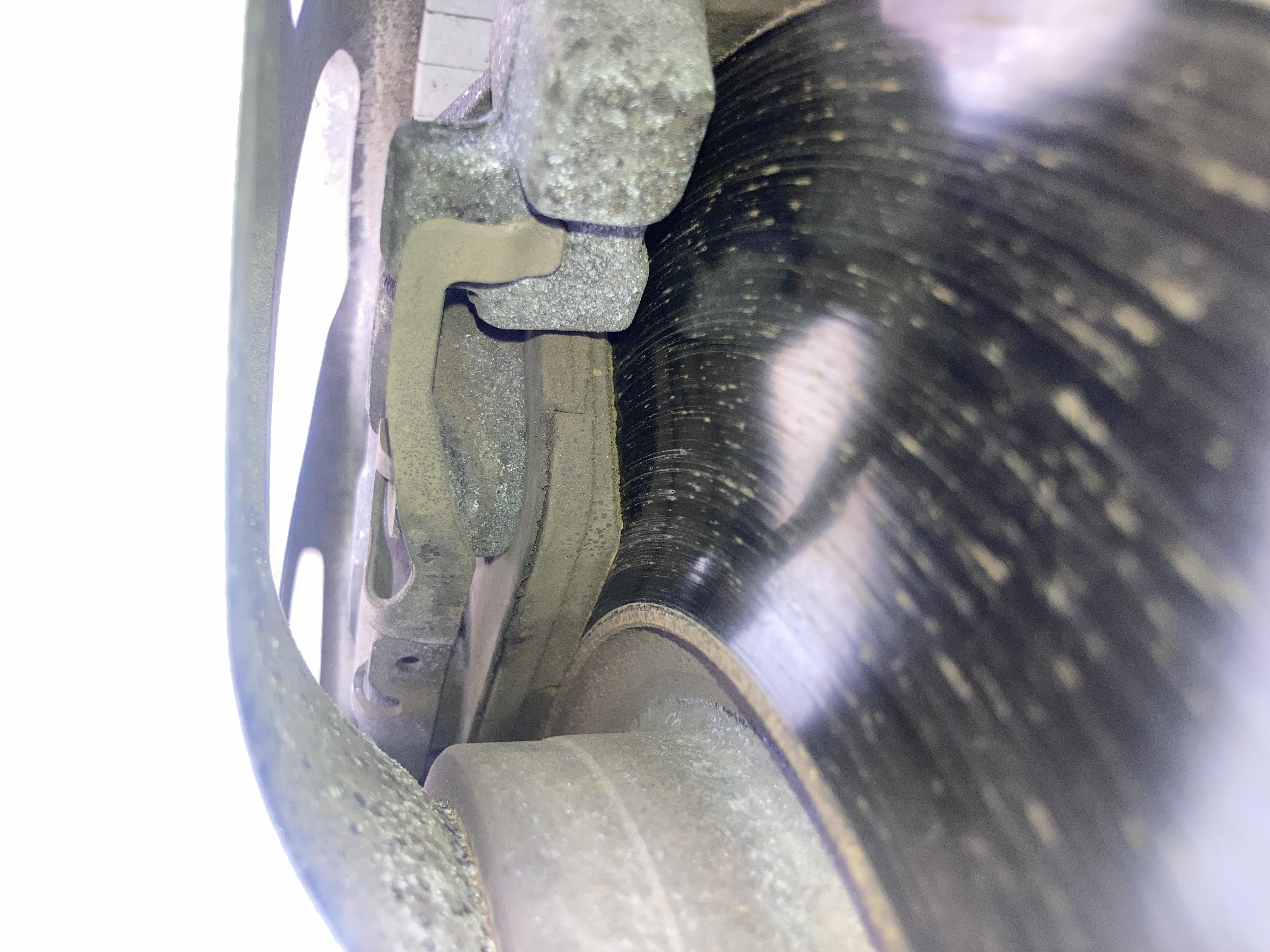
What Causes Grinding Brakes?
Grinding brakes usually occur when brake pad material has completely worn away, causing the metal backing plate to contact the brake rotor. This metal-on-metal contact creates a harsh grinding noise and can quickly damage the braking system.
In some cases, grinding may also be caused by debris caught between the rotor and backing plate, rust buildup, or brake hardware issues. Identifying the exact cause is critical to prevent further damage.
Which Best Matches Your Vehicle?
Select the Brake Condition
Choose the symptom that best matches what you're experiencing.
Select one of the brake conditions above.
Why Your Brakes Are Grinding
Worn Brake Pads
Brake pads worn down to the metal backing plate are the most common cause.
Damaged Brake Rotors
Deep grooves or heat damage may create grinding during braking.
Debris in Brake System
Rocks or debris trapped between components can create grinding sounds.
Seized Brake Caliper
A stuck caliper can cause constant friction and noise.
Rust Buildup
Surface rust may cause temporary grinding after the vehicle sits.
Improper Brake Installation
Incorrectly installed pads or hardware may lead to abnormal contact.
The Timing Helps Identify the Problem
Only While Braking
Most commonly caused by worn brake pads or rotor damage.
Constant Grinding
May indicate severe brake damage, debris, or a seized component.
After Sitting Overnight
Light rust may cause temporary noise that disappears after driving, but persistent grinding should be inspected.
Grinding Brakes Are a Serious Safety Concern
Light Grinding or Intermittent Noise
Even occasional grinding should be inspected immediately. It often indicates brake pads are at or near complete wear.
Constant Grinding
Continuous grinding typically means metal-on-metal contact is occurring. This can rapidly destroy rotors and reduce braking performance.
Severe Grinding or Poor Braking
Stop driving immediately if braking performance is reduced, noises are loud, or the vehicle becomes difficult to stop.
Stop Driving and Seek Service If:
How We Diagnose Grinding Brakes
Road Test
We verify when the grinding occurs and evaluate braking performance under controlled conditions.
Brake Pad Inspection
Brake pad thickness is checked to determine if the friction material has worn down to the backing plate.
Rotor Inspection
Rotors are inspected for grooves, heat damage, warping, and excessive wear caused by metal-on-metal contact.
Caliper & Hardware Check
Brake calipers, slide pins, and hardware are inspected for proper operation and signs of sticking or uneven wear.
Debris & Shield Inspection
We check for rocks, rust buildup, or dust shield contact that may be creating grinding noises.
Repair Verification
After repairs, the vehicle is road tested again to confirm the grinding noise is eliminated and braking performance is restored.