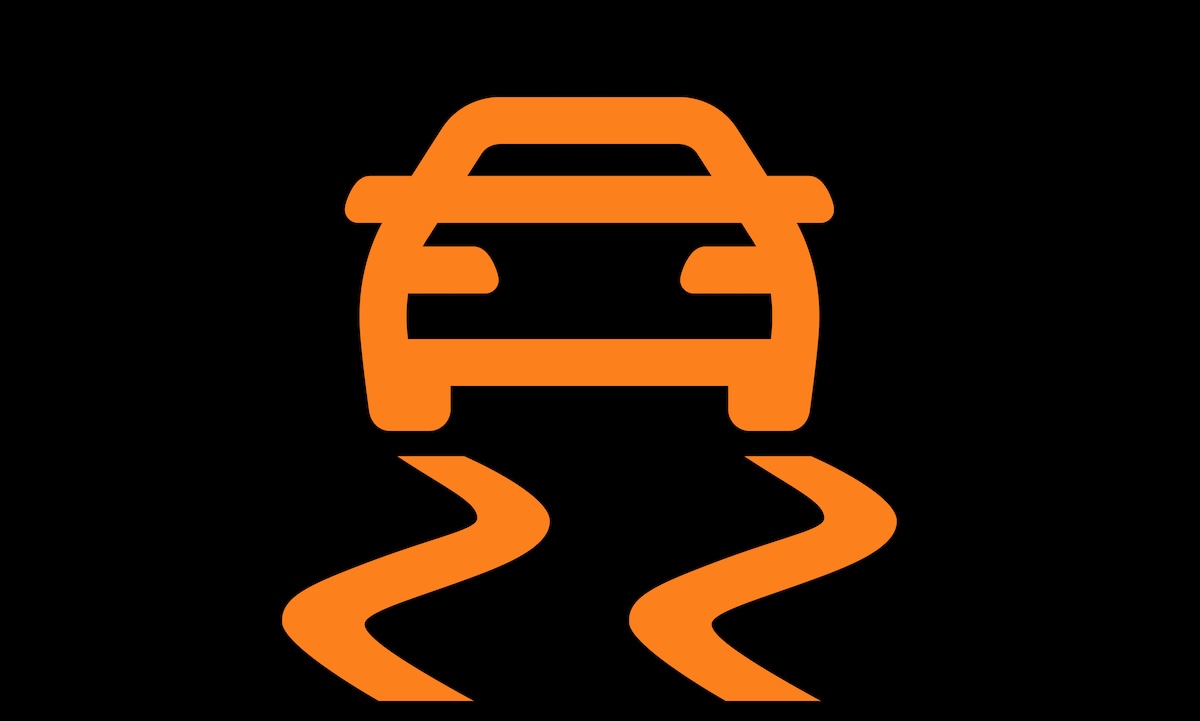
Why Is My Traction Control Light On?
Modern vehicles use traction control and electronic stability control systems to reduce wheel spin and improve vehicle stability during acceleration, cornering, and slippery road conditions. These systems monitor wheel speed, steering input, braking force, and vehicle movement hundreds of times every second.
A flashing traction control light usually indicates the system is actively helping maintain traction. However, if the light remains on continuously, the system has detected a fault that requires diagnosis.
Problems involving wheel speed sensors, ABS modules, steering angle sensors, yaw sensors, wiring, tires, alignment, or brake components may all trigger the warning light.
Which Condition Matches Your Vehicle?
Select Your Warning-Light Condition
Choose the symptom that best matches your vehicle.
Select one of the traction-control conditions above.
What Usually Causes the Traction Control Warning Light?
Failed Wheel Speed Sensor
The most common cause. Damaged sensors cannot accurately report wheel speed to the ABS and traction control system.
ABS Module Failure
The ABS control module manages traction and stability functions and may trigger warning lights when faults occur.
Steering Angle Sensor
Incorrect steering angle information can disable electronic stability control.
Yaw Rate Sensor
This sensor measures vehicle rotation and helps stability control maintain directional control.
Low Tire Pressure
Underinflated tires change wheel-speed calculations and may affect traction system operation.
Mismatched Tires
Different tire sizes or excessive tire wear differences may confuse traction-control calculations.
Wheel Alignment Problems
Improper alignment or suspension damage can affect stability control performance.
Brake System Problems
Because traction control uses the braking system to control wheel slip, brake issues may also trigger warnings.
Damaged Tone Ring
Broken or corroded reluctor rings prevent accurate wheel-speed measurements.
Electrical Wiring Fault
Damaged connectors, wiring, corrosion, or poor grounds may interrupt communication between stability-control components.
The Behavior of the Light Helps Identify the Problem
Light Flashes
The system is actively controlling wheel spin during slippery driving conditions and is usually operating normally.
Light Stays On
A stored fault has disabled part or all of the traction control system until repairs are completed.
ABS + Traction Lights
Both systems often share wheel-speed sensors and electronic controls, making sensor or ABS faults one of the most common causes of multiple warning lights.
Similar Systems Work Together but Serve Different Purposes
Traction Control Light
Indicates the traction control system is either actively reducing wheel spin or has detected a fault that disables part of the system.
ABS Light
Indicates a problem with the Anti-lock Braking System. Normal braking usually remains available, but anti-lock braking may no longer function during emergency stops.
Stability Control Light
Electronic Stability Control monitors steering direction and vehicle movement to help prevent skidding. Faults often affect both the stability and traction control systems.
Vehicle Control May Be Reduced During Slippery Conditions
Generally Safe
If the traction control light is the only warning illuminated and the vehicle drives normally, you may continue driving with caution while scheduling service.
Use Extra Caution
Rain, snow, ice, gravel, and wet pavement reduce available traction. Without traction control, wheel spin and loss of stability are more likely.
Stop Driving If
The traction light is accompanied by ABS, brake, steering, suspension, or engine warning lights, or if braking or steering performance changes noticeably.
How We Diagnose Traction Control Problems
Computer System Scan
Factory-level diagnostic equipment retrieves ABS, traction control, stability control, and chassis-related fault codes.
Wheel Speed Sensor Testing
Each wheel speed sensor is inspected for damage, contamination, wiring problems, and abnormal live-data readings.
ABS Component Inspection
The ABS module, hydraulic control unit, brake components, and related electrical circuits are inspected.
Steering & Suspension Inspection
Steering angle sensors, suspension components, alignment, and steering geometry are evaluated for conditions affecting vehicle stability.
Tire & Wheel Inspection
Tire size, inflation pressure, tread depth, wheel bearings, and tone rings are inspected for conditions affecting sensor operation.
Road Test & Verification
Repairs are verified using live data during controlled road testing to ensure proper traction and stability control operation.