Brake Performance Guide

Why Does My Vehicle Vibrate When Braking?

Brake vibration is one of the most common braking complaints drivers experience. You may feel the vibration through the steering wheel, brake pedal, seat, or throughout the entire vehicle whenever you slow down.

While brake rotor thickness variation is one of the most common causes, brake vibration may also result from worn suspension components, wheel bearings, wheel balance issues, damaged tires, or brake caliper problems. Proper diagnosis ensures the correct repair rather than replacing parts unnecessarily.

Call (301) 273-1555
✓ Brake Inspection ✓ Rotor Measurements ✓ Road Test Included
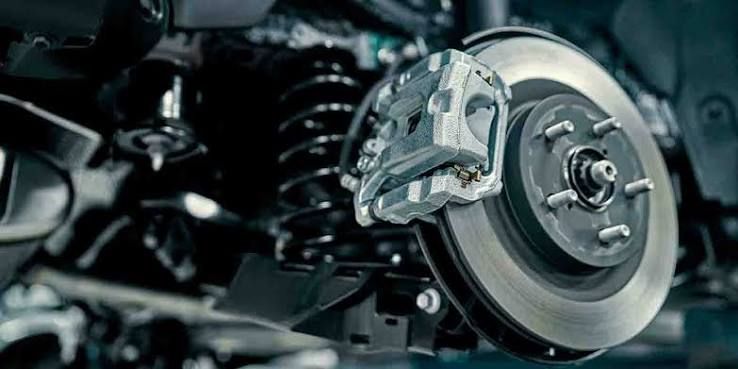
Brake vibration diagnosis in Silver Spring MD
Brake Diagnostics

What Causes Brake Vibration?

Brake vibration occurs when braking forces are applied unevenly while slowing the vehicle. Depending on the cause, the vibration may be felt in the steering wheel, brake pedal, floor, or throughout the vehicle.

Brake rotor thickness variation is frequently responsible, but loose suspension components, worn wheel bearings, uneven tire wear, wheel balance issues, and sticking brake calipers may also contribute to vibration during braking.

Quick Symptom Check

Which Best Matches Your Vehicle?

Vehicle Vibrates While Braking
Steering Wheel Shakes
Brake Pedal Vibrates
Seat Vibrates During Braking
High-Speed Braking Only
Hard Braking Vibration
Entire Vehicle Shakes
Vibration Getting Worse
Diagnostic Assistant

Select the Type of Brake Vibration

Choose the symptom that best matches your vehicle.

Recommended diagnostic information will appear here.

Select one of the brake vibration symptoms above.

Most Common Causes

Why Does My Vehicle Vibrate While Braking?

01

Brake Rotor Thickness Variation

The leading cause of brake vibration and steering wheel shake.

02

Brake Rotor Runout

Rotor runout causes uneven brake pad contact during braking.

03

Brake Pad Deposits

Uneven friction deposits create vibration during braking.

04

Sticking Brake Caliper

A sticking caliper may overheat the rotor and create vibration.

05

Wheel Bearing Wear

Loose wheel bearings may amplify brake vibration.

06

Suspension Wear

Loose suspension components can magnify vibration during braking.

07

Wheel Hub Problems

Damaged or corroded hubs affect rotor alignment.

08

Uneven Tire Wear

Irregular tire wear may worsen braking vibration.

09

Wheel Balance Issues

Wheel imbalance may become more noticeable during braking.

10

Loose Steering Components

Worn tie rods or steering linkage can increase vibration felt through the steering wheel.

Where You Feel the Vibration Matters

The Location Helps Identify the Cause

Steering Wheel

Front brake rotors, suspension, steering, or wheel bearings are the most likely causes.

Brake Pedal

Rotor thickness variation or brake component problems are the most common source.

Entire Vehicle

Rear brake components, wheel hubs, suspension, or tire problems may be contributing to the vibration.

Is It Safe to Drive?

Brake Vibration Should Always Be Investigated

Mild Vibration

Light vibration during braking often indicates early brake rotor wear or minor brake component issues. While the vehicle may still stop safely, the braking system should be inspected before the condition worsens.

Moderate Vibration

If vibration is becoming more noticeable or is accompanied by steering wheel shake, brake rotors, suspension components, or wheel bearings should be inspected promptly.

Severe Vibration

If braking performance decreases, grinding develops, warning lights appear, or the vehicle becomes difficult to control while braking, stop driving immediately and have the vehicle towed for inspection.

Immediate Warning Signs

Stop Driving and Seek Service If:

Brake Warning Light Appears
Grinding Noise Develops
Soft Brake Pedal
Vehicle Pulls While Braking
Steering Wheel Shakes Violently
Burning Brake Smell
Longer Stopping Distance
Brake Pedal Sinks
Our Diagnostic Process

How We Diagnose Brake Vibration

01

Road Test

We determine when the vibration occurs, whether it is speed related, and where it is felt throughout the vehicle.

02

Brake Rotor Measurement

Rotor thickness variation, runout, heat spots, scoring, and rotor condition are precisely measured.

03

Brake Pad Inspection

Pads are inspected for glazing, uneven wear, contamination, and improper contact patterns.

04

Wheel & Suspension Inspection

Wheel bearings, hubs, steering linkage, suspension components, and wheel balance are inspected for looseness or wear.

05

Caliper Inspection

Brake calipers, slide pins, and hardware are checked for proper operation and even brake pad movement.

06

Repair Verification

After repairs, we road test the vehicle again to confirm smooth, vibration-free braking.

Why Choose Georgia Fuel & Treats

Complete Brake & Suspension Diagnosis

Brake vibration isn't always caused by the brake rotors alone. We inspect the complete braking, steering, suspension, and wheel systems to accurately identify the source of vibration before recommending repairs.

01

Precision Brake Measurements

We measure rotor runout and thickness variation using professional equipment rather than relying on visual inspection.

02

Complete Vehicle Inspection

Rotors, pads, calipers, wheel hubs, bearings, steering, suspension, and tires are inspected together.

03

Verified Performance

Every repair is confirmed through a final road test to ensure smooth, predictable, vibration-free braking.

Brake Vibration FAQ

Frequently Asked Questions

Why does my vehicle vibrate when braking?

The most common causes include brake rotor thickness variation, rotor runout, worn brake pads, sticking calipers, suspension wear, or wheel bearing problems.

Does brake vibration always mean warped rotors?

No. Many cases are caused by uneven rotor thickness, brake pad deposits, wheel hub issues, or suspension wear rather than physically warped rotors.

Is brake vibration dangerous?

Mild vibration should be inspected soon. Severe vibration combined with poor braking, grinding, or steering problems requires immediate attention.

Why does my steering wheel shake when braking?

Front brake rotor problems, wheel bearings, steering components, or front suspension wear commonly cause steering wheel vibration.

Can wheel bearings cause brake vibration?

Yes. Loose or worn wheel bearings may contribute to vibration felt during braking.

Can bad tires cause vibration while braking?

Uneven tire wear or wheel balance issues may contribute to vibration, especially when combined with brake system wear.

Can brake calipers cause vibration?

Yes. A sticking brake caliper can create uneven heat buildup and brake rotor wear, leading to vibration.

How do you diagnose brake vibration?

We perform a road test, measure brake rotors, inspect brake pads, calipers, wheel hubs, bearings, steering, suspension, and tires to identify the exact cause.

Restore Smooth, Confident Braking

Schedule Your Brake Inspection Today

If your vehicle vibrates every time you apply the brakes, our technicians can identify the cause and restore smooth, dependable braking performance.