What Causes a Grinding Noise?
Grinding noises occur when two metal components rub together without proper lubrication or protective friction material. The location, timing, and driving conditions when the sound occurs are often the biggest clues to identifying the affected system.
For example, a grinding noise while braking usually points toward the brake system, while a grinding sound during turns may indicate wheel bearing or CV axle problems. Grinding during acceleration may involve the transmission, differential, or drivetrain.
When Do You Hear the Grinding Noise?
Select When the Grinding Noise Occurs
Choose the condition that best matches your vehicle.
Select one of the grinding noise conditions above.
Components That Commonly Produce Grinding Noises
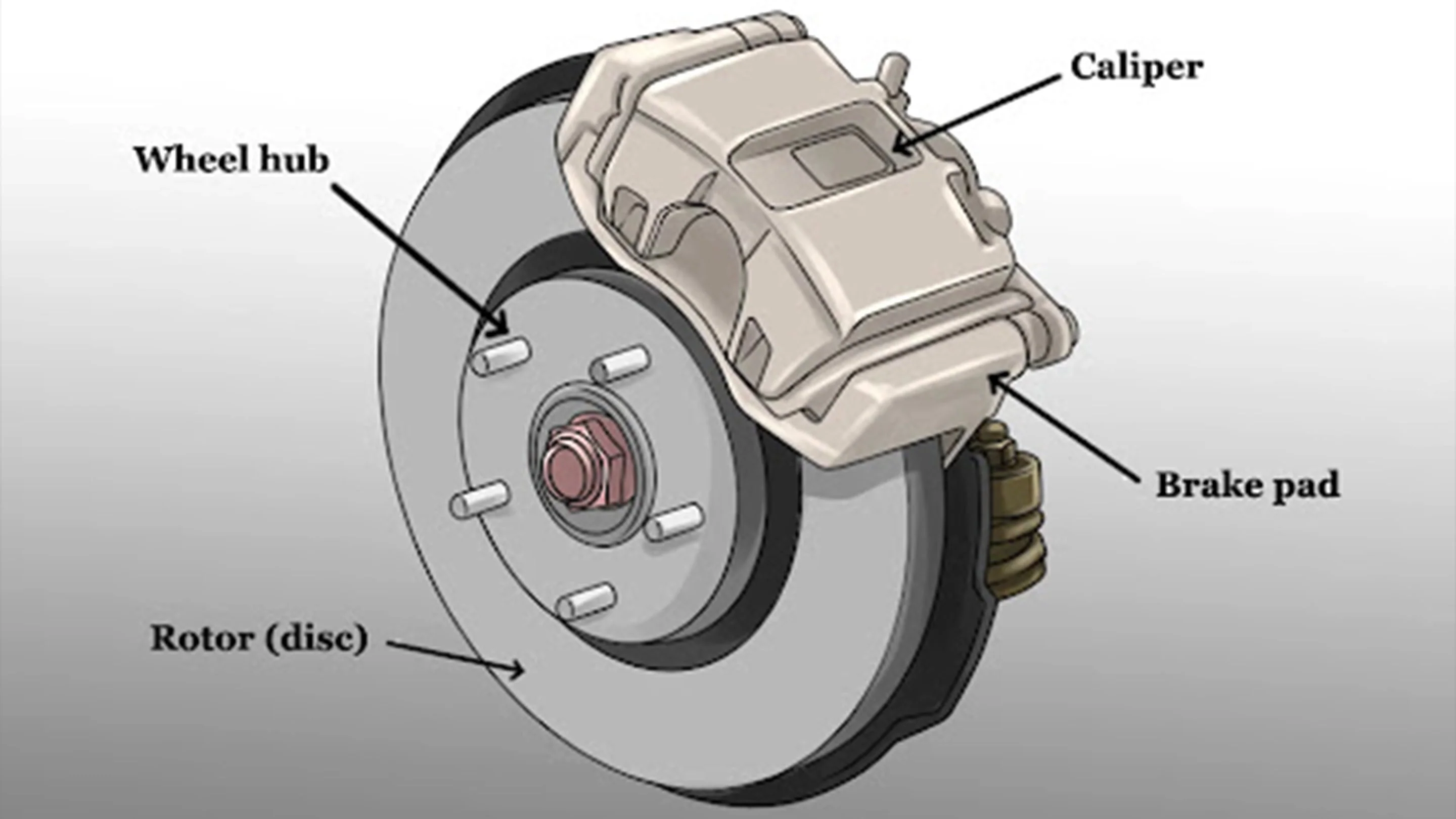
Worn Brake Pads
The most common cause. When friction material wears away, metal backing plates contact the brake rotors.
Damaged Brake Rotors
Grooved, warped, or heavily worn rotors can create grinding during braking.
Failed Wheel Bearings
Worn bearings often begin with humming before progressing into grinding or growling noises.
CV Axle Damage
Damaged CV joints or axle shafts may grind while turning or accelerating.
Transmission Problems
Worn gears, bearings, or synchronizers can create grinding noises during shifting or acceleration.
Differential Wear
Ring-and-pinion gear wear often creates grinding from the rear of the vehicle.
Loose Heat Shields
Exhaust heat shields may contact rotating components and create scraping or grinding sounds.
Accessory Bearings
Alternator, A/C compressor, idler pulley, or tensioner bearings may grind as they begin to fail.
Engine Internal Damage
Severe bearing or timing component failures may create harsh grinding sounds requiring immediate diagnosis.
Foreign Object Contact
Rocks, debris, bent splash shields, or damaged backing plates can rub against rotating components.
When the Grinding Occurs Helps Narrow the Diagnosis
Grinding While Braking
Most commonly caused by worn brake pads or damaged brake rotors.
Grinding While Turning
Wheel bearings, CV joints, steering, or suspension components should be inspected.
Grinding While Accelerating
Transmission, differential, driveshaft, or drivetrain components may require professional diagnosis.
Different Sounds Usually Point to Different Systems
Grinding Noise
Usually indicates metal-on-metal contact caused by worn brake components, damaged bearings, drivetrain problems, or internal mechanical wear. Grinding should always be investigated immediately.
Squealing Noise
High-pitched squealing often comes from brake wear indicators, slipping serpentine belts, or worn accessory pulleys.
Clicking or Knocking
Clicking frequently indicates CV axle wear, while knocking may originate from engine internals, suspension components, or steering systems.
Grinding Noises Should Never Be Ignored
Brake Grinding
If grinding occurs while braking, stop driving as soon as it is safe. Continued driving may damage brake rotors, calipers, and significantly reduce braking performance.
Grinding While Driving
Wheel bearing or drivetrain failures may worsen quickly and could eventually affect vehicle control or cause additional component damage.
Grinding With Warning Lights
If grinding occurs together with ABS, brake, transmission, or drivetrain warning lights, schedule immediate diagnosis before driving further.
How We Diagnose Grinding Noises
Road Test
We duplicate the noise under controlled driving conditions to determine when and where it occurs.
Brake Inspection
Brake pads, rotors, calipers, backing plates, and brake hardware are inspected for excessive wear or damage.
Wheel Bearing Inspection
Each wheel bearing is checked for excessive play, roughness, and abnormal rotational noise.
Steering & Suspension Inspection
Suspension components, steering joints, CV axles, and wheel assemblies are inspected for damage or excessive wear.
Drivetrain Evaluation
Transmission, differential, driveshaft, and axle components are evaluated when the noise occurs during acceleration.
Repair Verification
Following repairs, the vehicle is road tested again to verify the grinding noise has been completely eliminated.