What Causes a Wheel Bearing Hum?
Wheel bearings contain hardened steel rollers or balls that allow the wheels to rotate with minimal friction. Over time, contamination, impact damage, water intrusion, improper installation, or normal wear can damage the bearing surfaces, producing a humming or growling sound while driving.
Because the sound usually increases with vehicle speed rather than engine RPM, wheel bearing problems are often mistaken for tire noise or differential issues.
Which Best Describes Your Noise?
Select the Condition That Best Matches Your Vehicle
Choose the symptom that most closely matches your vehicle.
Select one of the symptoms above.
Why Wheel Bearings Begin to Hum
Normal Bearing Wear
Bearings naturally wear after thousands of miles of continuous use.
Water Intrusion
Moisture entering the bearing can wash away lubrication and accelerate internal corrosion.
Pothole or Curb Impact
Hard impacts may damage bearing races and rollers, leading to premature failure.
Improper Installation
Incorrect torque procedures or installation techniques can shorten bearing life.
Uneven Tire Wear
Tire noise sometimes resembles bearing hum and should be ruled out during diagnosis.
Differential or Drivetrain Issues
Differential bearings and drivetrain components may create similar humming or growling noises.
Damaged Wheel Hub
Excessive hub wear can affect bearing operation and create vibration or humming.
Heavy Loads
Frequent towing or carrying heavy loads places additional stress on wheel bearings.
Wheel Misalignment
Alignment problems increase bearing loads and may contribute to accelerated wear.
Suspension Wear
Worn suspension components can increase stress on wheel bearings over time.
Listening to When the Noise Changes Helps Identify the Cause
Noise Increases With Speed
Usually indicates a wheel bearing, tire issue, or drivetrain component rather than the engine.
Noise Changes While Turning
Wheel bearings often become louder when additional weight shifts onto the damaged bearing during a turn.
Roaring or Growling
Advanced wheel bearing wear often produces a louder growling sound that worsens as the bearing deteriorates.
Several Problems Can Sound Like a Bad Wheel Bearing
Wheel Bearing Hum
Wheel bearing noise usually increases with vehicle speed and may change when turning as the vehicle's weight shifts from one side to the other.
Tire Noise
Uneven tread wear, cupping, aggressive tread patterns, or improper tire pressure can create humming or roaring that closely resembles a worn wheel bearing.
Differential Noise
Differential wear may create humming, whining, or growling that changes during acceleration, cruising, or deceleration rather than primarily during turns.
A Failing Wheel Bearing Should Not Be Ignored
Early-Stage Hum
A faint hum may indicate early bearing wear. The vehicle may still feel normal, but prompt inspection can prevent the bearing from becoming loose, noisy, or unsafe.
Growling or Vibration
A loud growl, steering vibration, wheel vibration, or roughness often indicates more advanced bearing damage and should be inspected as soon as possible.
Loose Wheel or Unstable Handling
Excessive wheel movement, wandering, pulling, ABS warnings, or unstable handling may indicate severe bearing or hub damage. Avoid driving and arrange service immediately.
Have the Vehicle Inspected Quickly If:
How We Diagnose Wheel Bearing Noise
Road Test
We listen for humming, roaring, or growling and determine whether the noise changes with road speed, turning, braking, or acceleration.
Wheel & Tire Inspection
Tires are inspected for cupping, uneven wear, separated belts, improper pressure, or tread patterns that could mimic wheel bearing noise.
Bearing Play Inspection
Each wheel is checked for looseness, excessive movement, rough rotation, vibration, or abnormal resistance.
Hub Assembly Evaluation
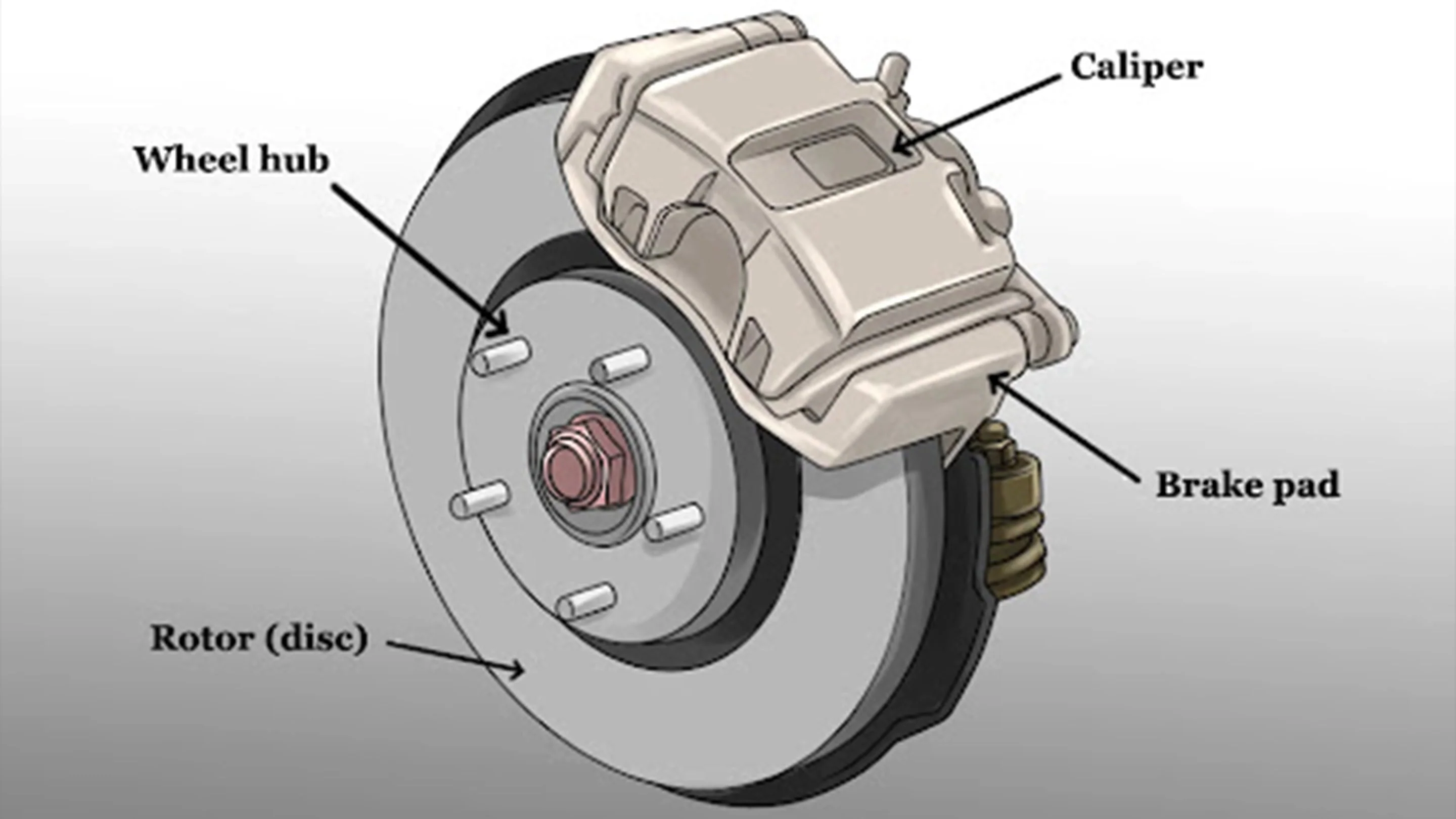
The wheel hub, bearing assembly, axle nut, mounting surfaces, and related hardware are inspected for wear or damage.
Suspension & Drivetrain Inspection
CV axles, suspension components, differentials, brakes, and related systems are evaluated to rule out other sources of humming or vibration.
Repair Verification
After the bearing or related component is repaired, the vehicle is road-tested again to confirm the noise and vibration are gone.