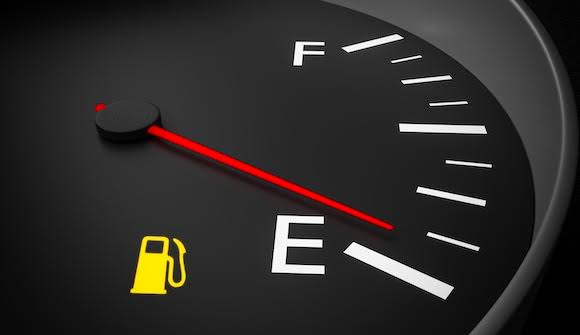
Vehicle Diagnostic Guide

Poor Fuel Economy?

If your vehicle is using more fuel than usual, requiring more frequent fill-ups, or showing a noticeable drop in miles per gallon, the cause may involve tire pressure, ignition components, fuel injectors, oxygen sensors, engine temperature, brake drag, transmission problems, or changes in driving conditions. A complete inspection can determine whether the decrease is caused by normal operating conditions, overdue maintenance, or a developing mechanical problem.

Call (301) 273-1555
✓ Engine Performance Testing ✓ Fuel-System Diagnostics ✓ Most Makes & Models
Poor fuel economy diagnosis in Silver Spring MD
Fuel-Economy Diagnostics

Why Is My Vehicle Using More Gas?

Fuel economy depends on far more than the engine alone. Tire pressure, vehicle weight, driving speed, traffic conditions, weather, fuel quality, ignition performance, fuel delivery, engine temperature, transmission operation, and even brake condition can affect how many miles your vehicle travels on each gallon.

A small seasonal decrease may be normal, especially during cold weather or frequent short trips. A sudden or continuing decline, however, may indicate an engine-performance problem, sensor failure, fuel-system concern, rolling resistance issue, or overdue maintenance.

Comparing your current fuel economy with your vehicle's normal average can help determine whether the change is significant. Professional testing is especially important when poor mileage occurs with a Check Engine Light, rough idle, hesitation, unusual exhaust smell, or loss of power.

Quick Symptom Check

What Else Are You Experiencing?

More Frequent Fill-Ups
Sudden MPG Drop
Check Engine Light
Rough Idle
Poor Acceleration
Gas or Exhaust Smell
Black Exhaust Smoke
Vehicle Pulls or Feels Sluggish
Diagnostic Assistant

Select Your Fuel-Economy Symptom

Choose the condition that best matches your vehicle.

Recommended diagnostic information will appear here.

Select one of the symptoms above.

Most Common Causes

What Usually Causes Poor Fuel Economy?

01

Low Tire Pressure

Underinflated tires increase rolling resistance, forcing the engine to use more fuel to move the vehicle.

02

Worn Spark Plugs

Worn or fouled spark plugs may cause weak combustion, engine misfires, reduced performance, and increased fuel consumption.

03

Faulty Oxygen Sensors

Inaccurate oxygen-sensor readings may cause the engine computer to deliver too much fuel.

04

Dirty or Leaking Fuel Injectors

Deposits may disrupt the fuel spray pattern, while leaking injectors can deliver excessive fuel into one or more cylinders.

05

Dirty Engine Air Filter

A severely restricted air filter may limit airflow, reduce performance, and affect efficiency on some vehicles.

06

Engine Misfire

Incomplete combustion wastes fuel and may damage the catalytic converter if the misfire continues.

07

Thermostat or Temperature Sensor Fault

If the engine remains too cold, the computer may continue using a richer fuel mixture than necessary.

08

Mass Airflow Sensor Problem

Incorrect airflow readings may cause the computer to calculate the wrong amount of fuel.

09

Brake Drag

A sticking brake caliper or parking-brake problem creates resistance and forces the engine to work harder.

10

Wheel Alignment Problems

Incorrect alignment may increase tire scrub, rolling resistance, uneven wear, and fuel consumption.

11

Transmission Problems

Slipping, delayed shifting, or failure to enter the highest gear may keep engine RPM elevated and reduce fuel economy.

12

Fuel or EVAP Leak

Fuel leaks, loose fuel caps, purge-valve failures, or other EVAP problems may waste fuel and produce noticeable odors.

Fuel Economy by Driving Condition

Driving Patterns Can Affect Miles Per Gallon

Mostly City Driving

Stop-and-go traffic, extended idling, short trips, and frequent acceleration normally use more fuel than steady highway driving.

Mostly Highway Driving

Excessive speed, low tire pressure, poor alignment, transmission problems, roof-mounted cargo, and aerodynamic drag may reduce highway efficiency.

Cold-Weather Driving

Longer warm-up times, winter fuel blends, tire-pressure changes, heater and defroster use, and short trips can temporarily reduce fuel economy.

Normal Changes vs. Mechanical Problems

Not Every MPG Drop Means Something Is Broken

01

Seasonal Changes

Cold temperatures, winter fuel, longer warm-up periods, and lower tire pressure may temporarily reduce fuel economy.

02

Driving Habits

Rapid acceleration, high speeds, extended idling, frequent short trips, and heavy braking increase fuel consumption.

03

Added Weight or Drag

Heavy cargo, roof racks, trailers, and oversized accessories make the engine work harder.

04

Mechanical Warning Signs

A sudden MPG decline combined with warning lights, rough running, odors, smoke, hesitation, or brake heat should be diagnosed.

Is It Safe To Drive?

Poor Fuel Economy Is Usually Safe, But It May Indicate a Developing Mechanical Problem

Usually Safe

A gradual decrease in fuel economy without warning lights is often caused by maintenance items, tire pressure, driving conditions, or seasonal temperature changes.

Drive With Caution

If poor fuel economy is accompanied by a Check Engine Light, rough idle, hesitation, reduced power, or unusual exhaust odors, the vehicle should be diagnosed soon.

Immediate Inspection

Fuel leaks, strong gasoline odors, black exhaust smoke, flashing Check Engine Lights, or severe engine misfires should be inspected immediately to prevent further damage.

Our Diagnostic Process

How We Diagnose Poor Fuel Economy

01

Computer Diagnostics

Factory-level scan tools retrieve trouble codes, fuel trims, oxygen sensor data, airflow readings, and engine performance information.

02

Fuel System Testing

Fuel pressure, injector performance, injector balance, and fuel delivery are inspected for proper operation.

03

Ignition Inspection

Spark plugs, ignition coils, engine misfires, and combustion quality are evaluated.

04

Air Intake & Sensor Testing

The air filter, throttle body, MAF sensor, MAP sensor, and intake system are inspected for airflow restrictions or inaccurate readings.

05

Vehicle Inspection

Tire pressure, wheel alignment, brake drag, engine operating temperature, and transmission operation are evaluated.

06

Road Test & Verification

After repairs, fuel trims, drivability, engine performance, and operating efficiency are verified.

Why Choose Georgia Fuel & Treats

Improve Fuel Economy With Accurate Diagnostics

Poor fuel economy is often caused by several small issues working together. Our comprehensive inspections identify the true cause so repairs are based on testing—not guesswork.

01

Complete Performance Testing

We evaluate ignition, fuel delivery, airflow, engine controls, and vehicle condition.

02

Advanced Diagnostics

Factory-level scan tools help identify sensor failures and engine management problems affecting fuel economy.

03

Verified Repairs

Repairs are confirmed through live data analysis and final road testing.

Poor Fuel Economy FAQ

Frequently Asked Questions

Why is my vehicle suddenly using more gas?

Common causes include low tire pressure, worn spark plugs, oxygen sensor failures, dirty fuel injectors, brake drag, thermostat problems, or engine-performance issues.

Can low tire pressure reduce fuel economy?

Yes. Underinflated tires increase rolling resistance, causing the engine to consume more fuel.

Can bad oxygen sensors reduce MPG?

Yes. Faulty oxygen sensors may cause the engine computer to deliver more fuel than necessary.

Can engine misfires waste fuel?

Yes. Engine misfires prevent complete combustion and can significantly reduce fuel economy.

Should I repair poor fuel economy?

Yes. Addressing the underlying cause often improves fuel economy, restores performance, and may prevent more expensive repairs.

Restore Your Vehicle's Efficiency

Stop Spending More at the Pump

Whether your vehicle's fuel economy has slowly declined or suddenly dropped, our technicians can identify the cause and recommend the repairs needed to restore performance and efficiency.