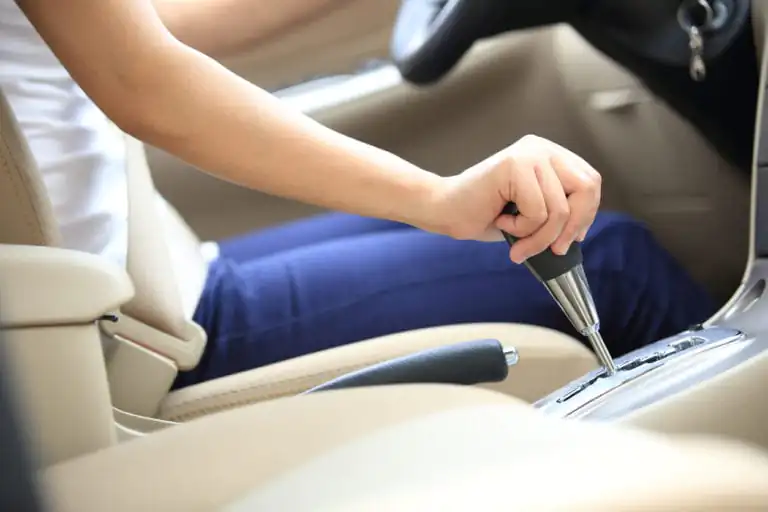
What Causes Delayed Transmission Engagement?
Automatic transmissions use hydraulic pressure and electronically controlled valves to engage gears almost instantly. If pressure is slow to build or internal components cannot apply the selected gear correctly, the transmission may hesitate before the vehicle begins moving.
Whether the hesitation occurs only when the transmission is cold, after warming up, only in Reverse, or in both Drive and Reverse helps identify the underlying cause.
Which Best Matches Your Vehicle?
Select Your Transmission Symptom
Choose the condition that best matches your vehicle.
Select one of the transmission conditions above.
Why Does My Transmission Delay Before Moving?
Low Transmission Fluid
Low fluid delays hydraulic pressure needed to engage gears.
Old Transmission Fluid
Contaminated or degraded fluid reduces hydraulic efficiency.
Valve Body Wear
Worn valves delay hydraulic pressure to clutch packs.
Internal Seal Leakage
Hydraulic pressure leaks internally before gears can engage.
Torque Converter Problems
Torque converter issues can delay power transfer to the transmission.
Shift Solenoid Failure
Faulty solenoids delay hydraulic fluid routing.
Worn Clutch Packs
Internal clutch wear prevents immediate gear engagement.
Transmission Control Module Issues
Electronic controls may delay gear application.
Hydraulic Pressure Loss
Pressure deficiencies delay clutch application.
Internal Transmission Wear
High-mileage transmissions commonly develop delayed engagement from normal internal wear.
Different Symptoms Often Point to Different Repairs
Only Delays Into Drive
Hydraulic pressure loss, worn clutch packs, or valve body problems commonly affect Drive engagement first.
Only Delays Into Reverse
Reverse clutch wear or internal hydraulic leakage are common causes.
Delays In Every Gear
Low fluid, widespread hydraulic pressure loss, or internal transmission wear should be diagnosed promptly.
Delayed Gear Engagement Should Be Diagnosed Promptly
Minor Delay Only
A brief hesitation before Drive or Reverse engages may indicate a developing hydraulic or electronic problem. While the vehicle may still be drivable, prompt diagnosis can help prevent more extensive transmission damage.
Long Delay Before Moving
If several seconds pass before the transmission engages, avoid unnecessary driving. Continued operation can accelerate wear on internal clutch packs and hydraulic components.
No Engagement
If the engine revs but the transmission never engages Drive or Reverse, the vehicle should not be driven until it has been professionally inspected.
Schedule Service Immediately If:
How We Diagnose Delayed Engagement
Computer Diagnostics
We scan the transmission control module for stored diagnostic trouble codes, shift errors, and electronic faults.
Transmission Fluid Inspection
Fluid level, color, odor, and contamination are inspected to identify hydraulic or internal transmission problems.
Engagement Testing
We evaluate Drive and Reverse engagement time under controlled operating conditions.
Hydraulic Evaluation
Valve body operation, shift solenoids, and hydraulic pressure are inspected for delayed clutch application.
Leak Inspection
External leaks and signs of internal pressure loss are inspected throughout the transmission.
Repair Verification
After repairs, transmission engagement time and shift quality are verified during a complete road test.