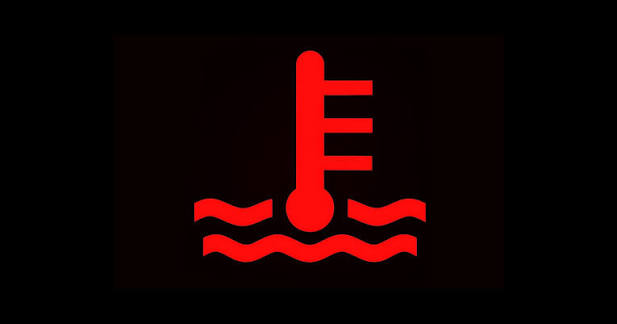
Why Is My Coolant Warning Light On?
Your cooling system regulates engine temperature by circulating coolant through the engine, radiator, heater core, thermostat, water pump, hoses, and cooling fans. Proper coolant flow removes excess heat and helps prevent overheating.
A coolant warning light may indicate low coolant level, excessive engine temperature, or a fault within the cooling system. Even if the vehicle appears to drive normally, the warning should never be ignored.
In many vehicles, the coolant warning light differs from the engine temperature gauge. Some vehicles monitor coolant level while others monitor engine temperature—or both.
Which Condition Matches Your Vehicle?
Select Your Cooling System Condition
Choose the condition that best matches your vehicle.
Select one of the coolant warning conditions above.
What Usually Causes the Coolant Warning Light?
Low Coolant Level
The most common cause. Low coolant reduces the system's ability to remove engine heat.
Coolant Leak
Leaking hoses, radiators, reservoirs, heater cores, or water pumps allow coolant to escape from the system.
Thermostat Failure
A thermostat stuck closed prevents coolant circulation and causes rapid overheating.
Water Pump Failure
A failing water pump cannot circulate coolant effectively throughout the engine.
Radiator Problems
Internal restrictions, external damage, or corrosion reduce the radiator's cooling efficiency.
Cooling Fan Failure
Electric cooling fans that fail to operate often cause overheating at idle or in traffic.
Coolant Level Sensor
A faulty coolant level sensor may illuminate the warning even when coolant levels are correct.
Head Gasket Failure
Internal coolant loss and overheating may occur if combustion gases enter the cooling system.
Air Trapped in Cooling System
Air pockets may prevent proper coolant circulation following repairs or coolant replacement.
Collapsed Radiator Hose
Damaged hoses may restrict coolant flow and reduce cooling system performance.
Drive Belt Problems
On belt-driven water pumps, slipping or broken belts stop coolant circulation.
Cooling System Pressure Loss
A defective radiator cap or leaking pressure system may reduce boiling protection and cooling efficiency.
The Symptoms Help Identify the Cause
Coolant Light Only
Often caused by low coolant level, coolant level sensor issues, or early-stage cooling system problems before overheating occurs.
Warning Light & High Temperature
Indicates active overheating requiring immediate attention to prevent engine damage.
Steam or Coolant Leak
Active coolant leakage should be addressed immediately. Driving further may result in catastrophic engine damage.
Understanding Cooling System Warnings
Coolant Warning Light
Indicates low coolant level, overheating, or a cooling system fault. This warning should always be investigated promptly to avoid engine damage.
Temperature Gauge
Displays the engine's operating temperature. A gauge reading in the red zone usually indicates active overheating.
Check Engine Light
The Check Engine Light monitors emissions and engine performance. Although overheating may trigger it, the warning is separate from the cooling system indicator.
Continuing to Drive Can Cause Severe Engine Damage
Pull Over Safely
If the coolant warning light is accompanied by a high temperature gauge, steam, or overheating, safely pull over and shut the engine off immediately.
Allow the Engine to Cool
Never remove the radiator cap while the engine is hot. Wait until the cooling system has cooled completely before checking coolant levels.
Do Not Continue Driving
Operating an overheated engine may lead to warped cylinder heads, blown head gaskets, cracked engine blocks, or complete engine failure.
How We Diagnose Coolant Warning Lights
Cooling System Inspection
We inspect coolant level, coolant condition, hoses, radiator, overflow reservoir, and visible cooling system components.
Cooling System Pressure Test
The cooling system is pressure tested to locate external or internal coolant leaks.
Thermostat & Water Pump Inspection
Coolant circulation, thermostat operation, and water pump performance are evaluated.
Cooling Fan Testing
Electric cooling fans, relays, temperature sensors, and fan control circuits are tested for proper operation.
Combustion Leak Testing
If internal engine damage is suspected, the cooling system is tested for combustion gases that may indicate a head gasket failure.
Repair Verification
After repairs are completed, coolant temperature, pressure, and cooling system operation are verified during an extended road test.